
 Real Estate
Why Roads, Metro Lines, and Airports Matter to Homebuyers and Investors
Table of Contents
When people begin searching for a home, the first considerations are usually the number of bedrooms, the kitchen layout, or whether the balcony offers a good view. Price, builder reputation, and amenities also feature high on the checklist.
Yet, one critical factor often gets overlooked: real estate connectivity.
Connectivity does not always appear in marketing brochures, but it plays a vital role in shaping your daily life and determining the long-term value of your property. Roads, metro networks, and airports together form the invisible infrastructure that drives convenience, lifestyle quality, and appreciation potential.
As Urvik Consulting, we advise both homebuyers and investors to give connectivity the same weight as floor plans or pricing. Here’s why.
Roads: The Everyday Lifeline
Why Good Roads Matter
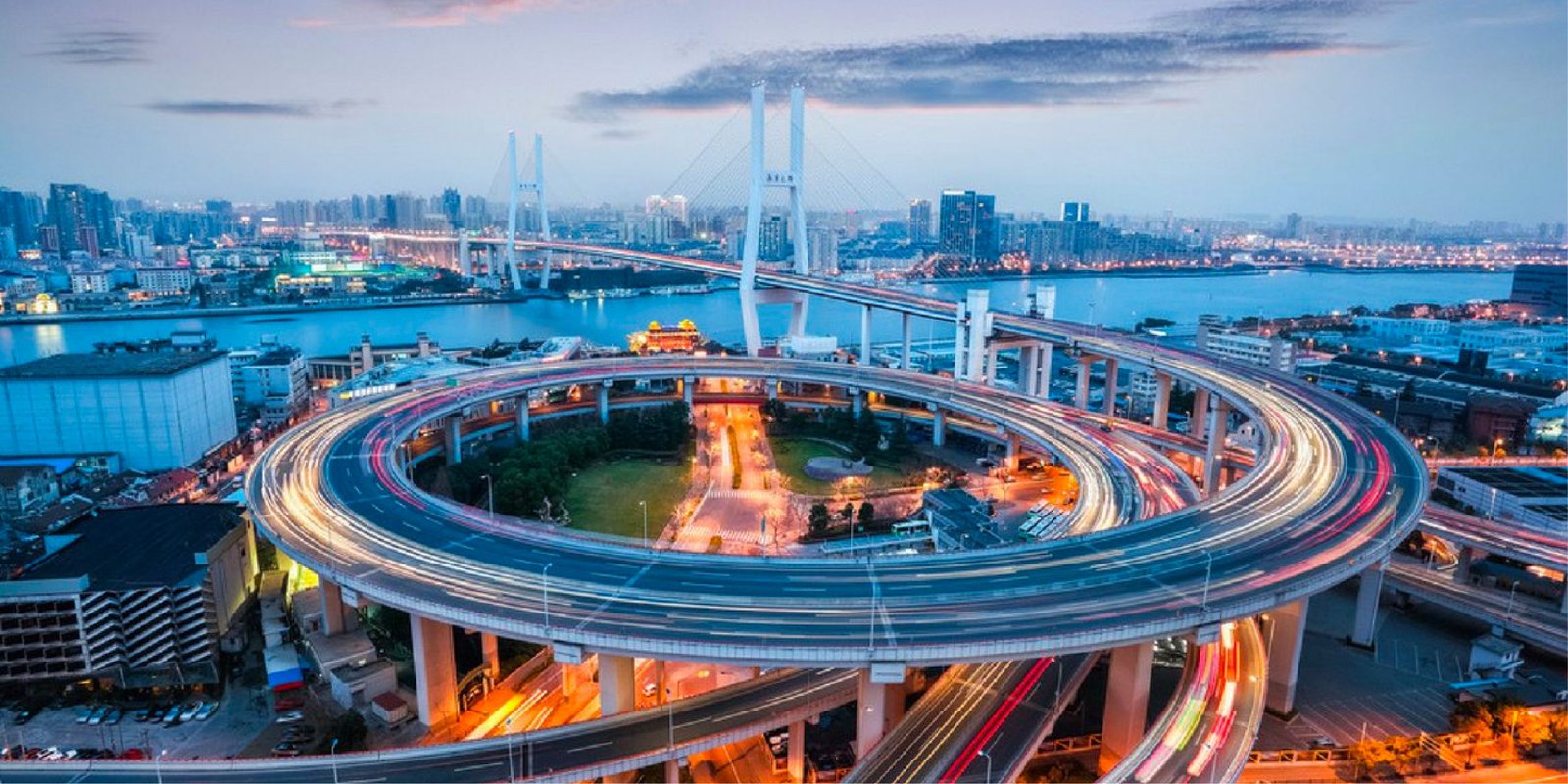
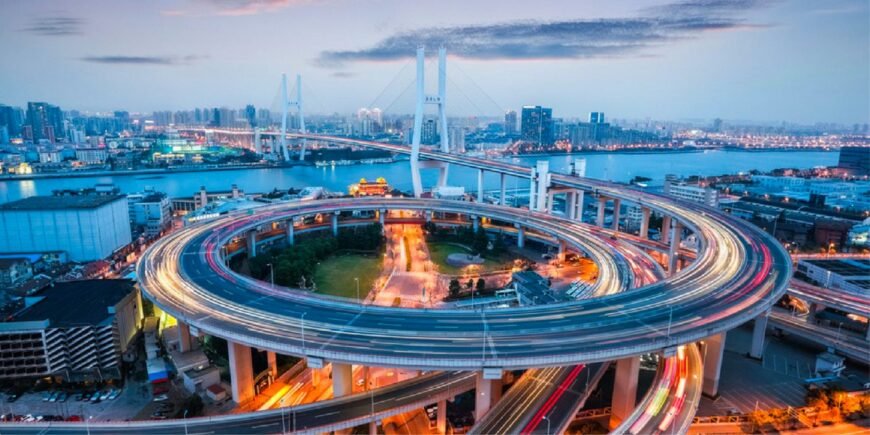
Roads form the backbone of any city. They link homes to workplaces, schools, hospitals, shopping complexes, and recreation hubs. A well-connected road network reduces commute times, improves accessibility, and lowers everyday stress.
On the other hand, poor road conditions and constant traffic congestion can dramatically reduce quality of life. A journey that should take 20 minutes can easily stretch to an hour if bottlenecks dominate the area.
For example, homes located close to Bengaluru’s Outer Ring Road have consistently appreciated faster than properties in areas with limited road access.
Impact on Property Value
Well-planned road infrastructure always attracts real estate development. Businesses, hospitals, and schools follow areas with accessible roadways, which in turn boosts housing demand. Over time, this creates a multiplier effect on property values.
What Buyers Should Check
- Does the property have direct access to key arterial roads?
- How heavy is peak-hour traffic in the neighborhood?
- Are there government-approved plans for new flyovers, expressways, or bypass routes?
Metro Lines: Reliable Urban Mobility
Why Metro Connectivity Matters
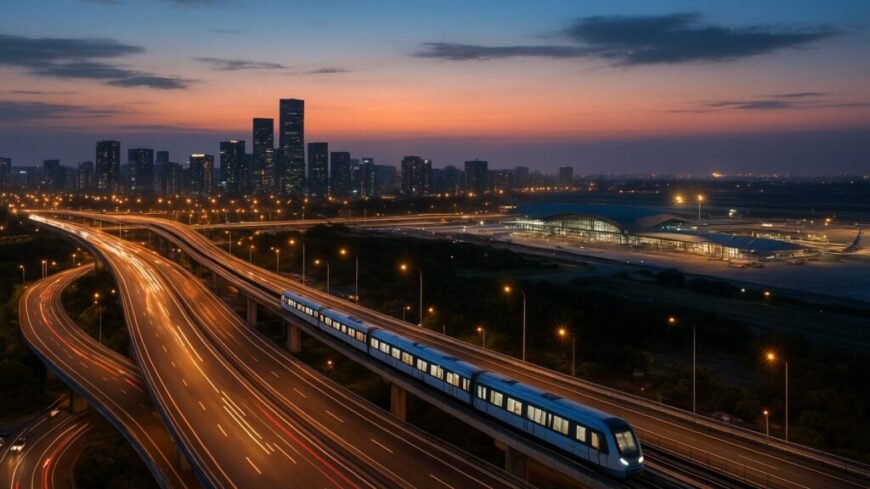
In today’s expanding cities, metro systems have become essential for quick, reliable, and stress-free travel. Unlike road transport, metro routes offer predictable schedules, no congestion, and faster point-to-point movement.
For working professionals, students, and senior citizens, living close to a metro station means significant time savings and lower dependence on personal vehicles. It can also reduce fuel, parking, and maintenance expenses for families.
Effect on Property Prices
Research consistently shows that properties within a one- to two-kilometer radius of a metro station appreciate faster. Developers actively highlight metro connectivity as a major selling point, making such homes more attractive for buyers and investors.
Delhi-NCR is a clear example. Localities like Dwarka, Noida, and Gurgaon saw rapid growth in housing demand and property values after the Delhi Metro expanded into those areas.
Lifestyle Benefits
- Predictable travel schedules reduce stress.
- Safer and more convenient for children and senior citizens.
- Encourages sustainable living by lowering car usage and emissions.
What Buyers Should Consider
- Is the property within a 10–15 minute walk or short ride to the nearest metro station?
- Are there upcoming metro extensions that could boost future connectivity?
- Does the area provide last-mile connectivity options like autos, cycle stands, or feeder buses?
Airports: Drivers of Growth and Convenience
Why Proximity to Airports Helps
Even if you don’t fly often, living near an airport brings significant advantages. It improves accessibility for business trips, vacations, or emergencies. More importantly, airports act as growth magnets.
They attract businesses, create employment, and fuel the development of hotels, office complexes, and premium housing. Over time, this ripple effect raises the value of residential properties in nearby areas.
Hyderabad is a prime example. The Rajiv Gandhi International Airport spurred rapid development in surrounding zones like Gachibowli and Shamshabad, now recognized as IT and residential hubs.
Finding the Right Distance
However, being too close to an airport can lead to noise pollution and traffic congestion. The ideal distance for homebuyers is typically 5–10 kilometers—close enough for convenience, but far enough to avoid constant disruption.
Factors to Keep in Mind
- Is the home directly under a flight path?
- Are there height restrictions on nearby properties?
- What is the quality of airport approach roads, especially during peak seasons?
How Roads, Metro, and Airports Work Together
Connectivity is most powerful when these three elements—roads, metros, and airports—work together.
- Roads ensure smooth access to metro stations and airports.
- Metros reduce daily commuting stress and transportation costs.
- Airports bring business opportunities, employment, and regional growth.
This combination creates neighborhoods that are convenient today and valuable tomorrow. For investors, such areas often provide the strongest long-term returns.
The Future of Real Estate Connectivity
Indian cities are evolving rapidly. Governments are prioritizing infrastructure projects such as expressways, ring roads, metro extensions, and integrated townships. These initiatives aim to decongest cities and improve mobility.
For homebuyers and investors, this translates into:
- More transparency about upcoming infrastructure projects.
- Higher potential for property appreciation in well-connected corridors.
- Sustainable living options with reduced reliance on private vehicles.
How Urvik Consulting Supports Your Decisions
At Urvik Consulting, we believe buying a property is not just about the four walls—it is equally about the ecosystem around it. Our expertise helps clients assess real estate connectivity before making investment decisions.
We provide:
- Location analysis based on proximity to roads, metro networks, and airports.
- Insights into upcoming infrastructure projects that could boost property values.
- Strategic advice for investors to enter locations before prices surge.
With our guidance, you can make informed choices that enhance both your lifestyle and long-term returns.
Conclusion
When evaluating a home or investment property, think beyond amenities and square footage. Real estate connectivity—roads, metro access, and airports—is the true driver of convenience, lifestyle quality, and future appreciation.
- Roads improve everyday mobility and attract development.
- Metro systems provide reliable, sustainable urban travel.
- Airports fuel regional growth and connect you globally.
With the right support from Urvik Consulting, you can identify neighborhoods where connectivity ensures both a better life today and stronger returns tomorrow.
 Real Estate
Upcoming Infrastructure Projects in India 2025–26: Transforming Connectivity and Growth
Table of Contents
India is entering a new era of infrastructure expansion, with 2025–26 expected to be a defining period for major projects across transport, energy, digital networks, and urban development. With investments running into lakhs of crores, these initiatives are set to improve connectivity, boost economic activity, and create long-term growth opportunities.
Here’s a closer look at the key infrastructure projects in India to watch in 2025–26.

Landmark Road and Transport Infrastructure Projects
Delhi–Mumbai Expressway
One of India’s most ambitious expressways, the Delhi–Mumbai Expressway spans 1,386 kilometers. Once operational by October 2025, it will reduce travel time between the two megacities from nearly 24 hours to just 12. Equipped with solar-powered lighting and wildlife crossings, this green corridor will redefine logistics and trade in western and northern India.
Ganga Expressway
The 594 km Ganga Expressway in Uttar Pradesh is slated to be operational by November 2025. This project will not only connect major cities but also enhance regional economic activity. Featuring modern bridges and safety systems, it promises faster, safer travel.
Bharatmala Pariyojana
At an estimated cost of ₹8.6 lakh crore, Bharatmala Pariyojana is one of the largest highway development programs in the world. Phase 1 covers 34,800 km of highways, scheduled for completion by 2026. It will connect remote areas, enhance goods movement, and support new business corridors nationwide.
Mumbai Coastal Road Project
Expected to be ready by mid-2025, this landmark project will reduce travel time across Mumbai with a modern east-west coastal road. It is designed to improve urban mobility and support the city’s financial and business districts.
Railway and Metro Network Expansions
Western Dedicated Freight Corridor (DFC)
Spanning 1,506 km, the Western DFC is designed exclusively for cargo trains. With 96% of the work complete, it is expected to be fully operational by December 2025. This corridor will streamline goods transport between ports and industrial hubs, cutting logistics costs and freeing up passenger rail capacity.
Udhampur–Srinagar–Baramulla Railway Link
Connecting Jammu and Kashmir with the rest of India, this project includes the iconic Chenab Bridge, the world’s highest railway bridge. Expected to be completed in 2025, it will enable year-round access, enhancing both tourism and trade in the region.
Mumbai–Ahmedabad Bullet Train
India’s first high-speed rail project is progressing rapidly, with major construction milestones expected in 2025–26. While full operations are scheduled for 2028, the project will eventually connect Mumbai and Ahmedabad in under three hours, transforming passenger travel.
Airport Infrastructure
Noida International Airport (Jewar Airport)
Set to open in April 2025, the Noida International Airport will be among Asia’s largest, built at an investment of ₹30,000 crore. It will ease pressure on Delhi’s IGI Airport and create a major new aviation hub for northern India.
Navi Mumbai International Airport
Another game-changing project, Navi Mumbai International Airport, is scheduled to begin operations in March 2025. With an investment of ₹18,000 crore, it will handle up to 10 million passengers in its first phase, reducing congestion in Mumbai.
Tunnels and Waterways
Zoji La and Z Morh Tunnels
By 2026, these strategic tunnels will provide all-weather road connectivity between Kashmir and Ladakh. This will improve accessibility, strengthen security, and support year-round trade and tourism in the region.
Haldia–Varanasi Inland Waterways
This ₹5,000 crore project, due by December 2025, will create a major inland waterway between Haldia and Varanasi. It will boost freight movement, reduce road congestion, and cut logistics costs significantly.
Industrial, Smart, and Digital Infrastructure
National Industrial Corridor Development (NICDC)
With an investment of ₹28,800 crore, NICDC is developing industrial corridors and logistics parks. Completion is targeted for 2026, and the projects are expected to generate large-scale manufacturing jobs and improve logistics efficiency.
Digital Highways
India is also creating 10,000 km of fiber-enabled digital corridors to strengthen internet connectivity, accelerate 5G and 6G rollout, and fuel smart city initiatives. This digital backbone will extend high-speed internet access deep into rural areas.
Also Read : Understanding Floor Rise Charges in Thane – A Complete Guide for Homebuyers
Energy and Irrigation Infrastructure
Renewable Energy Parks
Large-scale solar and wind energy parks under development are expected to come online between 2025 and 2026. These projects will help India advance toward its renewable energy targets while reducing reliance on fossil fuels.
Narmada Valley Development Project
With an investment of ₹79,000 crore, this massive irrigation and drinking water project will transform water availability in Madhya Pradesh. It aims to support agriculture, rural growth, and urban development alike.
Conclusion
The years 2025–26 mark a pivotal phase for India’s infrastructure story. From expressways and airports to renewable energy and digital highways, these projects are set to transform connectivity, reduce logistics costs, and enable sustainable growth. As India builds this foundation, it is not only addressing current challenges but also shaping a resilient future for millions of citizens and businesses.
 Real Estate
Understanding Floor Rise Charges in Thane – A Complete Guide for Homebuyers
Table of Contents
Purchasing a home is an exciting milestone, but for first-time buyers, the real estate journey often comes with a lot of jargon. One such commonly misunderstood term is “floor rise charges.” If you’re planning to buy a residential apartment in Thane, you’re likely to encounter this cost in most modern housing projects.
To make your buying process simpler, here’s a comprehensive guide on floor rise charges in Thane—what they are, why they are charged, how they are calculated, and how they affect your total property cost.
What Are Floor Rise Charges?
When you book a flat in a high-rise building, the price is not uniform across all floors. Typically, the higher the floor, the more you pay per square foot. This extra amount is called floor rise charges (sometimes referred to as floor rise premium).
Builders levy these charges as a way of pricing the premium benefits of living on higher floors—such as better views, ventilation, and privacy.
👉 For example: If two buyers book identical flats—one on the 2nd floor and another on the 12th floor—the buyer on the 12th floor will pay a higher total price due to floor rise charges.
Why Do Builders Charge Extra for Higher Floors?
Floor rise charges are not random; they are based on real advantages offered by higher floors. Here are some reasons why developers in Thane and across India apply these charges:
- Better View: Higher floors often come with panoramic views of the city skyline, greenery, or waterfronts like Upvan Lake or Yeoor Hills in Thane.
- Ventilation & Light: Apartments on higher floors enjoy improved airflow, reduced dust, and more natural light.
- Less Noise: Staying away from ground-level traffic and street activities ensures a quieter living experience.
- Demand-Supply Factor: Many buyers prefer upper floors, leading developers to price them at a premium.
How Are Floor Rise Charges Calculated?
Floor rise charges are usually applied per square foot (sq. ft.) of the carpet area. These charges vary based on the project’s location, builder reputation, and floor count.
Here’s a step-by-step example for clarity:
- Base Price of Flat: Suppose you’re buying a 500 sq. ft. apartment in Thane at ₹2,000 per sq. ft. → Total = ₹10,00,000.
- Floor Rise Charge: The builder charges ₹50 per sq. ft. for every floor beyond the 5th floor.
- Choosing the 10th Floor: That’s 5 extra floors (10 – 5). For a 500 sq. ft. flat → ₹50 × 500 × 5 = ₹1,25,000.
- Final Price: ₹10,00,000 (base price) + ₹1,25,000 (floor rise charges) = ₹11,25,000.
👉 In short, the higher the floor you choose, the more floor rise premium you will pay.
Typical Floor Rise Charges in Thane
In Thane’s residential projects, floor rise charges generally range from ₹20 to ₹100 per sq. ft. depending on:
- The builder (premium developers may charge more)
- The location (Ghodbunder Road, Majiwada, and Pokhran Road projects often carry higher premiums)
- The type of project (luxury high-rises usually have steeper charges)

Pros and Cons of Paying Floor Rise Charges
✅ Advantages of Higher Floors
- Better city views and greenery outlook
- More natural light and ventilation
- Less pollution and noise
- Higher resale value in the long run
❌ Considerations Before Paying Extra
- Elevator Dependence: Higher floors mean greater reliance on lifts. Always check for multiple elevators in the project.
- Maintenance Costs: Premium floors sometimes carry higher monthly charges.
- Emergency Situations: During power outages, accessing higher floors may be inconvenient.
Are Floor Rise Charges Worth Paying in Thane?
Whether floor rise charges are worth it depends on your lifestyle, priorities, and budget.
- If you value panoramic views of Yeoor Hills or Thane Creek, it might be worth paying extra.
- If your priority is budget-friendliness, a mid-level floor can offer a balance between cost and comfort.
- For investment purposes, higher floors often fetch better resale prices, making the additional charges worthwhile.
Tips for Homebuyers in Thane
Before finalizing your flat, keep these points in mind:
- Ask for Floor Rise Slab: Check how the builder calculates charges (per sq. ft. per floor or flat slab rate).
- Compare Projects: Some developers keep these charges lower to attract buyers. Compare before deciding.
- Negotiate: In some cases, especially during pre-launch offers in Thane, you may negotiate to reduce or waive these charges.
- Check RERA Compliance: Always confirm the floor rise structure is clearly mentioned in the cost sheet and RERA filing.
Conclusion
Floor rise charges in Thane are a standard part of modern real estate pricing. While they add to the cost, they also reflect the added lifestyle benefits of living on higher floors. By understanding how these charges work, buyers can make smarter, more informed decisions about which floor offers the best balance of budget, comfort, and long-term value.
At Urvik Consulting, we guide homebuyers in Thane through every aspect of real estate transactions—right from understanding cost components like floor rise charges to finding the perfect property. With expert advice, you can be confident that your dream home in Thane is not only within budget but also a sound investment.
 Real Estate
Benefits for Women Homebuyers in Thane in 2025 – A Complete Buying Guide
Table of Contents
Benefits for Women Homebuyers in Thane : Buying a home is one of the most significant milestones in life. For women in India, and especially in fast-growing urban hubs like Thane, property ownership represents financial independence, security, and empowerment. With Thane’s rapid development, excellent infrastructure, and booming real estate market, many women are now stepping forward to purchase homes for themselves and their families.
In 2025, both the government and financial institutions continue to encourage this trend by offering special benefits for women homebuyers in Thane. From lower stamp duty to tax deductions and loan concessions, these advantages make homeownership not only easier but also more rewarding.
Here’s a complete buying guide outlining the benefits and key considerations for women purchasing residential property in Thane.
1. Lower Stamp Duty Rates in Thane
Many states in India, including Maharashtra, provide reduced stamp duty rates for women buyers. For properties in Thane registered under a woman’s name, the difference can result in substantial savings.
💡 Example: In Delhi, women pay 4% stamp duty compared to 6% for men. Similarly, in Maharashtra, certain concessions apply for women buyers, making homes in Thane more affordable. On a ₹1 crore property, even a 1–2% reduction means savings of up to ₹2 lakh.
2. Concessions on Registration Charges
Apart from lower stamp duty, some states offer discounted registration fees when properties are registered in a woman’s name. For buyers looking at apartments in Thane, this concession further reduces the overall cost of purchase, especially in premium locations like Ghodbunder Road, Pokhran Road, and Kolshet Road.
3. Higher Loan Eligibility & Lower Interest Rates
Banks and housing finance companies extend special home loan benefits for women in Thane, including:
- Lower Interest Rates: Discounts of 0.05%–0.1% are common. For instance, Union Bank of India offers a 0.05% lower rate on loans for women.
- Higher Loan-to-Value Ratio (LTV): Women may get higher financing compared to men, making it easier to purchase bigger homes or invest in upcoming projects in Thane.
Over the loan tenure, these benefits translate into significant savings.
4. Tax Benefits for Women in Thane
Women homebuyers in Thane can avail income tax deductions just like anywhere else in India:
- Section 80C: Deduction up to ₹1.5 lakh on principal repayment.
- Section 24(b): Deduction up to ₹2 lakh on interest payments.
If a woman co-owns a property in Thane with her spouse and both are co-borrowers, each can claim these deductions separately, effectively doubling the tax benefits.
5. Empowerment & Financial Security
Owning a home in Thane strengthens a woman’s financial independence and decision-making power. With Thane’s real estate market steadily appreciating due to new infrastructure projects like the Thane Metro and Borivali–Thane Twin Tunnel, property ownership becomes both a lifestyle choice and a long-term financial investment.
Benefits include:
- Greater autonomy within the family
- Security through asset ownership
- Confidence in financial planning
- An asset that appreciates over time
6. Exclusive Benefits Under PMAY for Women in Thane
The Pradhan Mantri Awas Yojana (PMAY) offers further incentives for women buyers in Thane:
- Subsidies up to ₹2.67 lakh on home loans
- Mandatory co-ownership by at least one woman in the family to qualify
- Women in the EWS (Economically Weaker Section) and LIG (Lower Income Group) can get an interest subsidy of 6.5%
This makes it easier for women in Thane to buy affordable housing under new and upcoming projects.

Things Women Should Consider Before Buying a Home in Thane
While the benefits for women homebuyers in Thane are encouraging, here are key aspects to keep in mind:
1. Loan Affordability & EMI Planning
- Use a home loan EMI calculator before committing.
- Factor in additional costs such as society maintenance charges, Thane Municipal Corporation property tax, and insurance.
2. Property Location & Safety
- Choose safe and well-connected areas in Thane such as Majiwada, Ghodbunder Road, or Pokhran Road.
- Check proximity to schools, hospitals, and offices.
3. Legal Documentation
- Verify the title deed and ensure the property is free from disputes.
- For resale flats in Thane, confirm there are no pending loans or encumbrances.
4. Comparing Loan Offers
- Compare banks for interest rates, loan tenure, and processing charges.
- Check for flexibility in prepayments.
5. Insurance & Backup Planning
- Invest in home insurance for protection against natural calamities.
- Maintain an emergency fund for unexpected property-related expenses.
Also Read : Key Legal Checklist for Buying a Property in Thane
Conclusion
For women in 2025, buying a home in Thane is not just an emotional milestone but also a smart financial decision. With benefits like lower stamp duty, registration concessions, favorable home loans, tax deductions, and PMAY subsidies, women buyers in Thane are better positioned than ever to secure their dream homes.
Beyond financial perks, homeownership empowers women, enhances security, and creates long-term wealth. Given Thane’s infrastructure boom and rising property values, this is the right time for women to step into real estate ownership.
At Urvik Consulting, we help women homebuyers in Thane navigate every step of the process—from identifying the right property to understanding legal documentation and financing options. With the right guidance, women can make confident, informed, and profitable property decisions in 2025.
 Real Estate
Upcoming Residential Projects in Thane You Should Watch Out For
Table of Contents
Thane has emerged as one of the fastest-growing real estate destinations in the Mumbai Metropolitan Region (MMR). Once known as a satellite city, it has now transformed into a modern urban hub with world-class infrastructure, business districts, and residential communities. With its excellent connectivity, growing employment opportunities, and abundance of green spaces, upcoming residential projects in Thane are attracting both end-users and investors.
If you are planning to buy a new home or invest in real estate, here’s a detailed look at the most promising projects and why Thane should be on your radar in 2025.
Why Thane is a Real Estate Hotspot
Before exploring the new launches, let’s understand what makes Thane one of the most preferred residential destinations:
- Connectivity: Thane is well connected to Mumbai, Navi Mumbai, and Kalyan via the Eastern Express Highway, Ghodbunder Road, and the upcoming Metro lines.
- Infrastructure: Upcoming projects like the Thane Metro, Mumbai Coastal Road, and Borivali–Thane Twin Tunnel will further improve accessibility.
- Lifestyle & Amenities: With top schools, healthcare facilities, malls, and IT parks, Thane offers a balanced lifestyle for families and professionals.
- Green Spaces: Known as the “City of Lakes,” Thane offers scenic surroundings with Yeoor Hills, Upvan Lake, and ample greenery.
- Real Estate Growth: Property values in Thane have steadily appreciated, making it a lucrative investment market.
Upcoming Residential Projects in Thane
Here are some of the noteworthy upcoming residential projects in Thane that homebuyers and investors should watch out for:
1. Hiranandani Estate – New Towers
One of the most reputed names in Thane real estate, Hiranandani is expanding its iconic township with new residential towers. Known for luxury living, premium amenities, and lush landscapes, this project is ideal for families looking for a high-quality lifestyle.
Highlights:
- Premium 2BHK & 3BHK apartments
- World-class clubhouse and sports facilities
- Located on Ghodbunder Road with excellent connectivity
2. Lodha Codename Crown Jewel, Majiwada
Lodha Group continues to redefine Thane’s skyline with another landmark project. Positioned at Majiwada, this project promises affordable luxury with modern design.
Highlights:
- Spacious residences with premium finishes
- Integrated township lifestyle with shopping and schools nearby
- Seamless connectivity to Mumbai via Eastern Express Highway
3. Rustomjee Uptown Urbania, Thane West
Rustomjee’s Urbania is already a landmark in Thane West, and its next phase will offer residents a mix of modernity and convenience.
Highlights:
- Smartly designed 2BHK homes
- Community-focused living with lifestyle amenities
- Proximity to schools, healthcare, and business hubs
4. Kalpataru Parkcity, Kolshet Road
Kalpataru’s Parkcity is one of the largest integrated townships in Thane. The upcoming phases are expected to bring more residential towers surrounded by parks and open spaces.
Highlights:
- 2BHK, 3BHK, and larger configurations
- Over 20 acres of green landscapes
- Sports arena, clubhouse, and lifestyle facilities
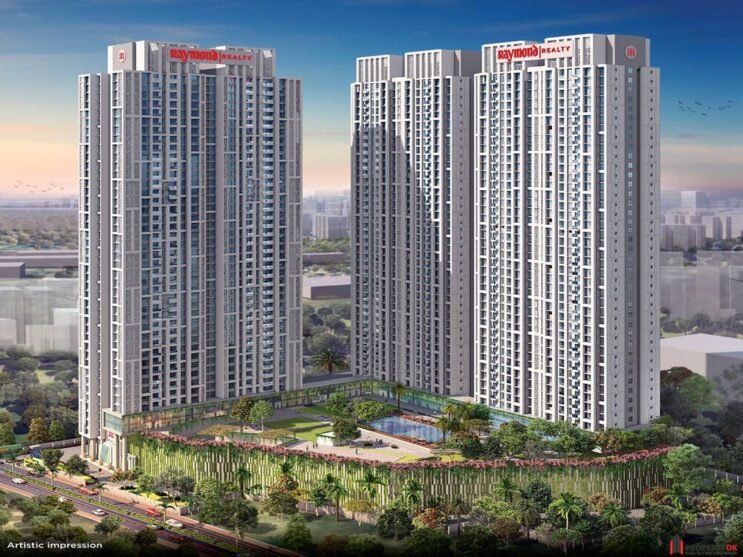
5. Raymond Realty – The Address by GS, Pokhran Road
Raymond Realty has gained significant traction in Thane’s premium housing market. Their new launches under “The Address by GS” continue to blend luxury with thoughtful planning.
Highlights:
- Elegant high-rise towers with modern interiors
- Close to malls, schools, and hospitals
- Excellent appreciation potential
6. Runwal Eirene, Balkum
Runwal Group is introducing new towers in its Eirene project, offering a mix of affordability and luxury.
Highlights:
- 1BHK to 3BHK configurations
- Family-friendly community living
- Strategic location near Balkum Naka
Key Locations to Watch in Thane
While choosing among these upcoming projects, the location is equally important. Some of the most promising micro-markets in Thane include:
- Ghodbunder Road: Known for connectivity and premium projects.
- Pokhran Road: Popular for luxury high-rises and proximity to business hubs.
- Majiwada: A central hub with excellent infrastructure.
- Kolshet Road: Emerging as a hotspot for integrated townships.
- Balkum & Manpada: Affordable and mid-segment housing options.
Why Invest in Upcoming Projects in Thane?
- Price Advantage: Buying in the pre-launch or launch phase often ensures lower pricing.
- Customization: Buyers may get flexible floor plans and interior options.
- Appreciation Potential: With upcoming infrastructure, property values in Thane are expected to rise.
- Modern Amenities: New projects focus on sustainable design, smart homes, and lifestyle amenities.
- Developer Reputation: Reputed builders like Lodha, Hiranandani, Kalpataru, and Rustomjee ensure quality and timely delivery.
Conclusion
Thane’s real estate market is entering an exciting phase with multiple upcoming residential projects from reputed developers. Whether you’re a first-time buyer, a family seeking a spacious home, or an investor looking for long-term returns, Thane offers a variety of options to match your needs.
From luxury high-rises on Pokhran Road to large integrated townships on Kolshet and Ghodbunder Road, the city has something for everyone. With strong infrastructure development and rising demand, investing in Thane today can secure both lifestyle benefits and financial growth in the future.
 Real Estate
Wadala: Mumbai’s Next Central Business District
Table of Contents
Mumbai’s commercial heartbeat is shifting. With Bandra-Kurla Complex (BKC) reaching capacity, Wadala is emerging as the city’s next Central Business District (CBD). The Mumbai Metropolitan Region Development Authority (MMRDA) is preparing to auction 156 hectares of prime land in the area, opening the door for a new era of commercial growth.
Why Wadala is the Next Big Hub
For decades, BKC has been Mumbai’s premier corporate hotspot. But with no more land left for development, businesses and investors are looking for the next growth corridor. Wadala offers unmatched advantages:
- 🚆 Superior Connectivity: Eastern Freeway, Atal Setu, harbour railway, monorail, and the upcoming Metro-4 line make it one of the best-connected zones in Mumbai.
- 🏗️ Transit-Oriented Development: Planned as a smart, integrated business district.
- 🏙️ Urban Transformation: From a truck terminal to a high-rise business hub, Wadala is ready for reinvention.
Auction Buzz & Market Opportunity
The upcoming plot auctions are expected within the next 2–3 months. Developers are keen, especially after landmark deals in BKC such as Sumitomo Corporation’s ₹2,238 crore purchase. MMRDA aims to replicate that success, fueling Mumbai’s infrastructure while creating a world-class business hub.
What This Means for Investors & Businesses
Wadala is not just another real estate play—it’s a strategic opportunity:
- Early movers can secure premium plots at competitive pricing.
- Ideal for large-scale commercial, retail, and mixed-use projects.
- Long-term growth supported by Mumbai’s master planning and infrastructure pipeline.

The Road Ahead
Just as BKC rose from marshland to become a global business district, Wadala is set to redefine Mumbai’s corporate map. For businesses, developers, and investors, this is the moment to look beyond traditional hubs and position themselves at the forefront of Mumbai’s next growth story.
Buying a property in Thane is more than just a financial investment—it’s a lifestyle decision. But to truly enjoy the perks of homeownership, it’s crucial to be prepared for all the ongoing costs, not just your EMI or loan.
At Urvik Consulting, we go beyond just helping you find the right home—we help you plan for every stage of your real estate journey with expert financial and legal advice.
Whether you’re buying your first flat in Ghodbunder Road, investing in a premium apartment in Pokhran Road, or exploring under-construction projects near Kolshet, we’re here to guide you—every step of the way.
 Real Estate
Arkade Acquires Prime MMR Land for ₹1.48 Billion
Table of Contents
Arkade, a leading real estate developer, has made a strategic move by acquiring a prime land parcel in the Mumbai Metropolitan Region (MMR) for ₹1.48 billion. This acquisition not only expands Arkade’s portfolio but also reinforces its market presence in one of India’s fastest-growing real estate hubs.
Why the MMR Land Acquisition Matters
The Mumbai Metropolitan Region continues to be a magnet for developers, thanks to its:
- Rapid urbanization and economic growth
- Strong demand for premium residential and commercial properties
- Well-connected infrastructure and access to business districts
Arkade’s newly acquired land parcel is strategically located with excellent connectivity to transportation networks and commercial hubs. This makes it an ideal site for upcoming residential and mixed-use developments.
Strategic Fit with Arkade’s Growth Plans
The acquisition is aligned with Arkade’s long-term strategy of expanding its footprint across Maharashtra’s most lucrative real estate markets. By securing this land in a high-demand location, Arkade positions itself to:
- Launch innovative, customer-centric projects
- Cater to the rising demand for sustainable, high-quality developments
- Enhance its brand value in the highly competitive MMR market
Also Read: Thane Metro Impact on Property Prices: Why 2025 is the Right Time to Invest
Expert Insights
Industry experts believe this move demonstrates Arkade’s confidence in the upward trajectory of property values in MMR. The demand for premium real estate is expected to remain strong, giving Arkade a competitive edge.
Moreover, the acquisition reflects the ongoing consolidation trend in Indian real estate, where leading developers strengthen their portfolios through strategic land deals.

Government Push for Real Estate in MMR
The Maharashtra government has introduced several initiatives to attract real estate investments and simplify regulatory processes. This investor-friendly climate makes MMR one of the most promising regions for long-term development.
Looking Ahead
With this ₹1.48 billion land acquisition, Arkade is set to transform the parcel into a landmark project, focusing on sustainable design, modern amenities, and strong community value. The company’s expertise, coupled with favorable market conditions, ensures that this move will significantly contribute to both Arkade’s growth and the region’s development.
FAQs on Arkade’s MMR Land Acquisition
1. Why did Arkade acquire this MMR land parcel?
To strengthen its presence in MMR and capitalize on the growing demand for high-quality real estate.
2. What makes MMR attractive for real estate developers?
Its rapid urbanization, economic growth, excellent connectivity, and high demand for residential and commercial spaces.
3. How does this deal align with Arkade’s strategy?
It supports Arkade’s expansion plans, enabling the company to launch new projects and enhance its market presence.
4. What are the potential benefits for Arkade?
A prime location for future projects, stronger market positioning, and the ability to tap into MMR’s growth trajectory.
5. What role does the Maharashtra government play?
By streamlining regulations and promoting investments, the state government creates a favorable ecosystem for developers.
 Real Estate
The GST Reforms: A Game-Changer for Indian Real Estate
Table of Contents
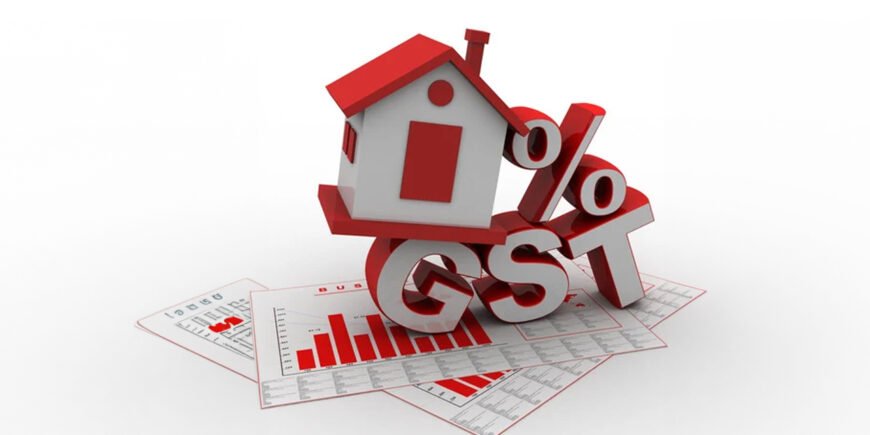
The Indian real estate sector is on the cusp of a major transformation, thanks to the recent GST reforms. These changes, particularly the rationalization of tax rates on key construction materials, are set to bring a wave of positive effects for both developers and homebuyers. Here’s a look at how this new era of GST will reshape the real estate landscape in India.
A Boost for Developers: Easing the Cost Burden
One of the most significant changes is the reduction of GST on essential construction materials. The tax on cement, a critical component of any project, has been slashed from 28% to 18%. Similarly, rates on materials like marble, granite, and sand-lime bricks have been reduced from 12% to 5%. This is a huge win for developers for several reasons:
- Lower Project Costs: Construction materials account for a substantial portion of a project’s total cost. The reduced tax rates will directly lead to a 3-5% saving in overall construction expenses.
- Improved Profitability: With lower input costs, developers can either improve their profit margins or pass on the benefits to the consumers, or a combination of both. This is a crucial relief, especially for those in the affordable housing segment, where margins are often thin.
- Enhanced Liquidity: Better cost management and improved cash flows will give developers the financial flexibility to launch new projects and ensure timely completion of ongoing ones. This is expected to accelerate housing supply in key urban and tier-2 markets.
A Win-Win for Homebuyers: Making Homes More Affordable
The domino effect of lower construction costs will directly benefit homebuyers, leading to a more vibrant and accessible housing market. Here’s what they can look forward to:
- Increased Affordability: The most anticipated outcome is a potential reduction in property prices. As developers save on construction costs, they can pass on these savings to the end-users, making homes more affordable. This is particularly crucial in the mid-income and luxury segments, where the impact of the tax cuts on materials like granite and marble will be more pronounced.
- Revival of Affordable Housing: The affordable housing segment, which has seen a decline in recent years, is expected to get a significant boost. Lower input costs can help developers launch and deliver more budget-friendly homes, addressing the country’s huge housing shortfall.
- Positive Market Sentiment: The simplified and transparent tax structure, coupled with the potential for lower prices, will build greater confidence among homebuyers. This is expected to encourage first-time buyers and fence-sitters to enter the market, especially during the festive season.

The Broader Impact: A Step Towards a Stronger Economy
The GST reforms are not just about the real estate sector; they are part of a broader economic strategy. By simplifying the tax structure and reducing rates on consumer goods and construction materials, the government aims to stimulate consumption, boost GDP growth, and control inflation. For the real estate sector, this translates to:
- Increased Transparency: The two-slab GST structure (5% and 18%) simplifies compliance for developers and brings greater clarity for consumers, reducing ambiguities and disputes over tax classification.
- Attraction of Investment: A more predictable and transparent tax environment is likely to attract more institutional and foreign investment into the Indian real estate market.
- Growth in Tier-2 and Tier-3 Cities: The reforms, combined with ongoing infrastructure development, are expected to fuel real estate demand in emerging markets beyond the major metros.
While the full benefits may not be immediately visible due to existing contracts, the long-term outlook is incredibly positive. The GST reforms have set the stage for a more affordable, transparent, and robust real estate market, creating a win-win situation for all stakeholders.
 Real Estate
Navigating the Biggest Challenges in Indian Real Estate, 2025
Table of Contents
The Indian real estate sector in 2025 is at an inflection point. On one hand, rapid urbanization, government initiatives, and PropTech innovations are creating new avenues for growth. On the other, persistent challenges—ranging from affordability constraints to regulatory uncertainty—are shaping how developers, investors, and homebuyers engage with the market.
At Urvik Consulting, we believe that understanding these challenges is the first step. The next is developing strategies that not only mitigate risks but also unlock opportunities in a competitive environment.
1. Regulatory Hurdles and Policy Uncertainty
While RERA has brought transparency, compliance continues to be resource-intensive. Frequent amendments and approval delays slow down project timelines.
Our View: Developers should proactively invest in compliance systems, and investors should conduct deeper due diligence. Building agility into project planning is essential to manage policy shifts effectively.
2. Housing Affordability and Escalating Costs
Rising land, material, and labor costs have placed affordable housing further out of reach, especially in metros.
Our View: Developers should explore innovative construction technologies, strategic land acquisition models, and public-private partnerships to balance affordability with profitability.
3. Economic Fluctuations and Market Volatility
Inflation, interest rate changes, and global uncertainty are fueling market volatility. Investor sentiment remains highly sensitive to macroeconomic trends.
Our View: Stakeholders should diversify portfolios across asset classes and geographies, while adopting a cautious but long-term outlook on investments.

4. Infrastructure and Urban Planning Gaps
Urban growth continues to outpace infrastructure, leading to congestion and reduced quality of life in emerging hubs.
Our View: Developers and investors should align projects with upcoming infrastructure corridors and government urban renewal programs. Location strategy will be a decisive factor for long-term value creation.
5. Slow Adoption of Digital Transformation
AI-driven platforms and blockchain solutions are transforming the sector, yet adoption remains uneven. Many traditional players still rely on manual processes.
Our View: Early adopters of PropTech will gain a competitive edge. Investing in digital tools for customer engagement, documentation, and asset management will become a market differentiator.
6. Sustainability and Green Building Challenges
Eco-conscious buyers are demanding sustainable housing, but high costs and limited incentives remain barriers.
Our View: Developers should integrate green design principles from the planning stage and leverage government subsidies where available. Positioning projects as sustainable is not just about compliance—it is about brand leadership and long-term resilience.
Conclusion
Indian real estate in 2025 is not defined by its challenges alone—it is defined by how stakeholders respond to them. The sector’s next phase of growth will depend on regulatory foresight, digital readiness, sustainability-driven innovation, and alignment with infrastructure growth.
At Urvik Consulting, we partner with developers, investors, and institutions to navigate this complexity with data-driven insights and strategic foresight. In a market as dynamic as India’s, proactive adaptation is no longer optional—it is the path to sustained success.
 Real Estate
Thane Metro Impact on Property Prices: Why 2025 is the Right Time to Invest
Table of Contents
Introduction
Thane has long been known as a city of lakes and greenery, but in recent years, it has evolved into one of the most promising real estate destinations in the Mumbai Metropolitan Region (MMR). One of the biggest factors fueling this transformation is the Thane Metro project. With construction in full swing, the metro is expected to redefine connectivity, reduce travel time, and significantly boost property values.
In this blog, we’ll explore the Thane Metro’s impact on property prices, which areas will benefit the most, and why 2025 could be the golden year for investors and homebuyers.
1. Overview of the Thane Metro
The Thane Metro, also known as the Thane Metro Loop, is a 29-kilometer elevated line with 22 stations. It is designed to connect key residential, commercial, and industrial zones within Thane, including:
- Wagle Estate (commercial hub)
- Kolshet Road (emerging residential market)
- Teen Hath Naka (major junction)
- Majiwada (prime residential belt)
- Kasarvadavli (Ghodbunder Road connectivity)
Once operational, the metro will integrate with the Mumbai Metro network, providing seamless travel to Mumbai and Navi Mumbai.
2. Connectivity Advantage
One of the biggest pain points for Thane residents has been long travel hours. The metro aims to:
- Cut travel time by up to 50% to key employment hubs in Mumbai.
- Provide easy access to IT parks, commercial estates, and Navi Mumbai SEZs.
- Reduce road congestion on Ghodbunder Road and Eastern Express Highway.
For homebuyers and tenants, time saved = money saved. Improved connectivity always drives higher rental demand and better property appreciation.
3. Impact on Property Prices
Historically, infrastructure projects like the Delhi Metro and Mumbai Metro Lines 1 & 2 have led to 15–30% appreciation in nearby property values within a few years of launch. The Thane Metro is expected to follow the same trend.
- Short-term (2025–2027): Areas closest to proposed stations will see a 5–10% annual price growth.
- Mid-term (2027–2030): Once the metro becomes operational, property prices may rise by 20–25% in prime pockets.
- Long-term (beyond 2030): Thane is likely to establish itself as a premium real estate hub, comparable to Navi Mumbai and Powai.
For investors, this creates an opportunity to buy early and reap strong returns.
4. Micro-Markets That Will Benefit the Most
Not all areas in Thane will see equal growth. Here are the top gainers from the metro project:
- Ghodbunder Road: Already popular among mid-income families, this corridor will see faster appreciation due to metro connectivity and ongoing road expansion.
- Kolshet Road: A hotspot for IT professionals and young families, expected to witness strong rental yields.
- Majiwada & Teen Hath Naka: Premium localities with large-scale township projects, set to attract both end-users and NRIs.
- Wagle Estate: As a commercial hub, increased accessibility will fuel both office leasing and residential demand nearby.
5. Rental Demand Boost
Thane is already a preferred rental destination for professionals working in Mumbai, Navi Mumbai, and within Thane itself. With the metro reducing commute times, areas around stations will become high-demand rental pockets.
Investors can expect:
- Higher rental yields (3–5%) in metro-connected micro-markets.
- Greater demand for co-living spaces and compact apartments near stations.
- Tenants willing to pay premium rents for reduced travel time.
6. Why 2025 is the Right Time to Buy
The metro is still under construction, meaning property prices are relatively affordable compared to post-launch levels. By investing in 2025:
- Buyers can lock in at lower entry prices.
- Early investors benefit from capital appreciation once the metro becomes operational.
- Developers are offering attractive payment plans and pre-launch offers in anticipation of demand.
Simply put: The next 2–3 years are the sweet spot for investment in Thane.
Conclusion
The Thane Metro impact on property prices will be transformative. From reducing commute times to unlocking growth in key micro-markets, the project will turn Thane into a self-sustained urban hub with rising residential and commercial value.
For end-users, it means convenience and lifestyle upgrades. For investors, it offers capital growth and strong rental demand. If you’ve been considering buying property in Thane, 2025 is the perfect year to take the plunge before the metro drives prices even higher.