
 Real Estate
5 Smart & Legal Ways to Save Stamp Duty on Your Property Purchase in India
Table of Contents
Buying a home is one of life’s biggest milestones—but it comes with hefty costs, especially stamp duty and registration charges. The good news? There are several smart and legal ways to reduce your stamp duty bill without breaking any rules.
If you’re planning to buy property in India, here are 5 effective tips to save stamp duty and make your home-buying journey a little easier on the pocket.

1. Register Property Jointly with a Female Family Member
One of the simplest ways to cut down your stamp duty costs is to register the property jointly with a woman in your family, like your wife, mother, or daughter.
Why it works:
✅ Many states offer lower stamp duty rates for women. For instance, in Delhi, women pay 4% compared to 6% for men. On a high-value property, this 2% saving can run into lakhs of rupees.
✅ It also encourages women’s property ownership and financial security.
Tip: Ensure the woman co-owner genuinely holds a share in the property to comply with legal requirements.
2. Buy in a Rural or Semi-Urban Area
If you’re open to living slightly outside major cities, buying in rural or less urbanized zones can help you save a lot on stamp duty.
Here’s why:
✅ Rural and semi-urban areas often have lower circle rates, meaning the property’s government-assessed value is lower—and so is your stamp duty.
✅ Many state governments provide additional subsidies for properties outside city limits to boost regional development.
✅ As infrastructure grows, these areas can appreciate significantly in value.
3. Take Advantage of Government Rebates & Subsidies
Several Indian states offer stamp duty rebates, concessions, or subsidies for specific groups of homebuyers, such as:
- First-time buyers
- Women
- Senior citizens
- Beneficiaries of affordable housing schemes
For example, Maharashtra has periodically reduced stamp duty to stimulate the real estate market. These offers can translate to big savings—sometimes slashing stamp duty rates by 1-3%.
Tip: Stay updated on your state government’s housing policies or consult a property expert to ensure you don’t miss out on available benefits.
4. Register at the Circle Rate (If Legally Applicable)
Stamp duty in India is calculated on the higher of two values: the transaction price or the circle rate (also called the ready reckoner rate).
If the property’s market value and the circle rate are close—and it’s legal to register at the circle rate—you can save a significant sum.
Example:
- Market value of your flat: ₹60 lakhs
- Circle rate value: ₹50 lakhs
If you register the property at ₹50 lakhs (and it’s legitimate), your stamp duty is calculated on the lower value—saving you thousands.
⚠️ Important: Underreporting the property value below actual market price is illegal and can attract severe penalties. Always consult a legal expert to ensure your transaction complies with the law.
Also Read : Understanding RERA for Thane Property Buyers
5. Transfer Property Through a Gift Deed to Blood Relatives
Another excellent way to save on stamp duty is via gift deeds between blood relatives, such as parents, children, spouses, or siblings.
Many states offer heavily reduced stamp duty rates—or even fixed fees—for such transfers.
For instance:
- In Maharashtra, the stamp duty for gifting property from parents to children is just ₹200—far lower than the regular percentage-based duty.
Benefits:
✅ Legally recognized under the Transfer of Property Act.
✅ Saves significantly on both stamp duty and registration fees.
✅ Perfect for family succession planning or settlement.
Tip: Always register the gift deed properly and keep documents proving the relationship to qualify for exemptions.
Final Thoughts
While paying stamp duty is unavoidable, you don’t have to pay more than necessary. Whether it’s registering jointly with a woman family member, exploring rural locations, or using government rebates, these legal strategies can help you save big on your property purchase in India.
Before finalizing any transaction, talk to a trusted legal or real estate advisor to ensure you’re fully compliant—and making the most of every saving opportunity.
 Real Estate
How Adani Projects Are Transforming Real Estate in Mumbai and Navi Mumbai (2025 Update)
Table of Contents
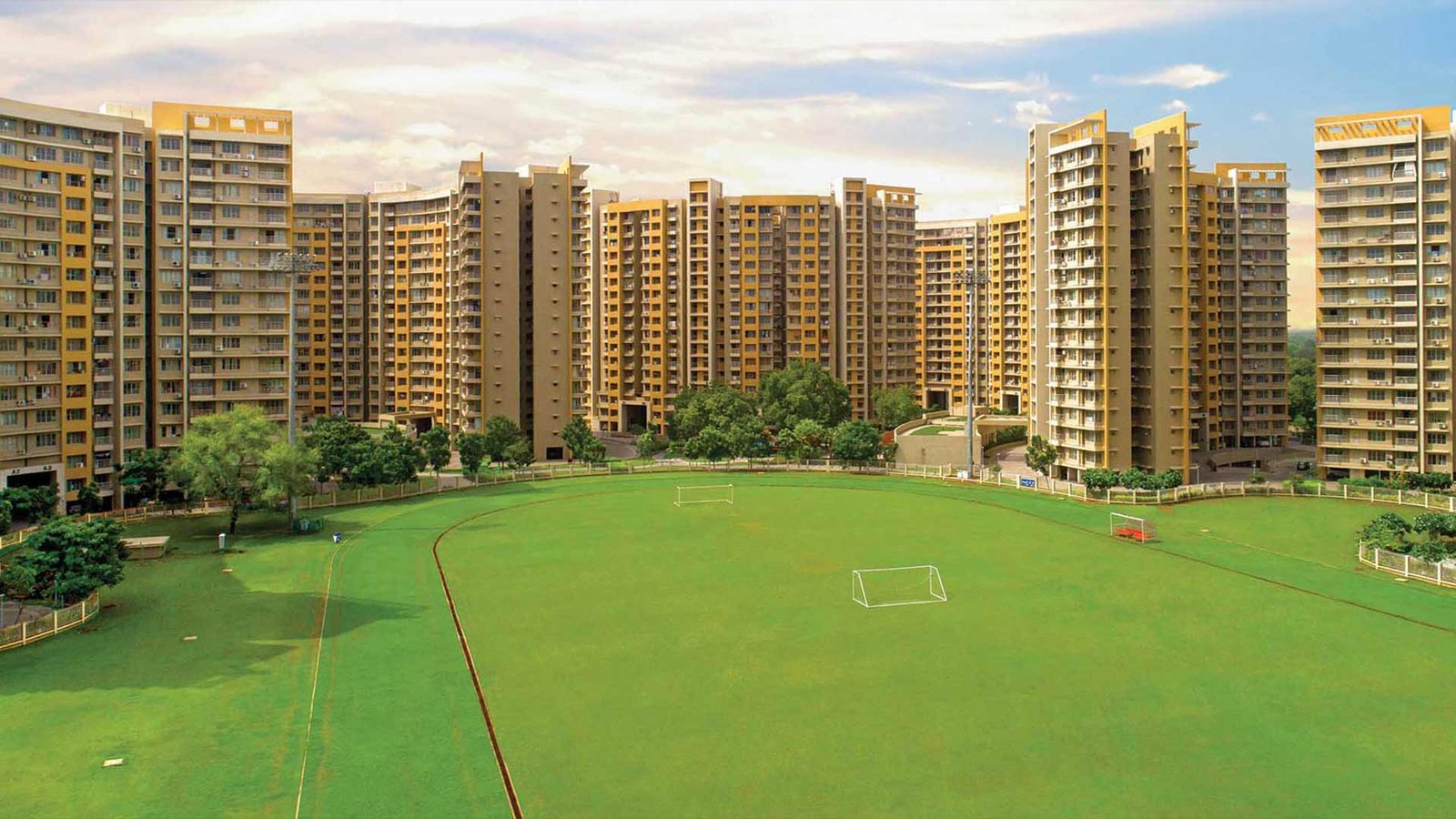
Mumbai’s real estate landscape is witnessing a game-changing shift—and at the forefront is Adani Real Estate. From the ambitious ₹10,000 crore Panvel township to the transformative Dharavi redevelopment, Adani is redefining urban life in both Mumbai and Navi Mumbai. Backed by infrastructure growth, government support, and a vision for sustainable urban living, these projects signal a new era for property buyers and investors in 2025.
Adani Projects Driving Real Estate Growth
One of the most significant milestones in Adani’s real estate journey is its massive township project in Panvel. Spanning over 1,000 acres, this development stands at a strategic location, benefiting from proximity to:
- Navi Mumbai International Airport (NMIA)
- Mumbai Trans Harbour Link
- Industrial and IT hubs across Navi Mumbai and Panvel
Here’s why this matters for homebuyers and investors:
- Property appreciation: Prices are poised to rise due to enhanced connectivity and robust demand.
- Brand trust: Adani’s reputation adds an extra layer of credibility for investors.
- Housing variety: Over 100,000 housing units are planned, catering to both premium and affordable segments.
This township represents not just real estate growth, but a blueprint for modern urban living.

Dharavi Redevelopment: More Than Just Real Estate
Few projects have the power to transform lives like the Dharavi redevelopment. Often labeled as one of Asia’s largest slum areas, Dharavi is on the brink of a historic metamorphosis under Adani’s leadership.
Here’s what makes this project significant:
- Modern living standards: Residents will receive new apartments featuring separate kitchens, in-built toilets, better ventilation, and more light.
- Upgraded living spaces: Homes will grow from the existing ~269 sq ft to between 315–322 sq ft under PMAY norms.
- Eligibility criteria: Free new homes will be offered to those who can prove residence in Dharavi prior to January 1, 2000. Others will have access to affordable rental housing.
Beyond real estate, this initiative is about human dignity, offering thousands of families a chance at a safer, cleaner, and healthier life.
Also Read : Adani-Led Navbharat Mega Developers to Transform Dharavi
Panvel Township: Smart Urban Planning and Sustainable Value
The Adani Panvel Township isn’t just a housing cluster—it’s a self-sustained urban ecosystem. Here’s what sets it apart:
- Residential zones with diverse housing options
- Schools, hospitals, shopping, and entertainment hubs
- Commercial and office spaces
- Expansive green zones and open areas
The township is strategically located in the Navi Mumbai Airport growth corridor, ensuring excellent future connectivity. Adani has secured 24 key land deals across 2023–2025, strengthening its footprint in Panvel and boosting investor confidence.
For homebuyers and investors alike, Panvel offers:
- Long-term price appreciation potential
- High quality of life due to planned infrastructure
- A balance of urban convenience and green living
Why It’s the Right Time to Invest
With infrastructure projects like NMIA and the Mumbai Trans Harbour Link nearing completion, Navi Mumbai and Panvel are among India’s hottest property zones. Adani’s projects align perfectly with this momentum.
Key investment advantages include:
- Strategic location with unparalleled connectivity
- High brand trust and transparency
- Potential for significant returns as demand surges post-infrastructure completion
- Future-ready developments prioritizing sustainability
Adani’s recognition as the Visionary Real Estate Brand of the Year 2025 underlines its leadership in reshaping urban India.
Government Support and Market Dynamics
The Maharashtra government is actively supporting Adani’s urban development ventures, making it easier for large-scale projects to move forward smoothly.
Government initiatives driving growth:
- Faster approvals for redevelopment
- Simplified inter-departmental processes
- Tax and zoning benefits for projects that improve urban infrastructure
Meanwhile, Adani’s scale is pushing other developers to raise their game. The result? More choices, better quality homes, and competitive pricing for buyers in Mumbai and Navi Mumbai.
Conclusion
Adani Real Estate’s projects mark a significant turning point in the real estate dynamics of Mumbai and Navi Mumbai. Whether it’s the transformative Dharavi redevelopment, offering residents a dignified new life, or the futuristic Panvel township redefining urban living, Adani is reshaping the region’s skyline—and its future.
For anyone considering property investment in 2025, now is the time to explore Mumbai and Navi Mumbai’s evolving markets. Adani’s projects don’t merely promise returns—they’re creating sustainable cities for generations to come.
 Real Estate
Data Centres and Warehousing: The Next Big Real Estate Investment Trend
India’s real estate sector is witnessing a paradigm shift. Traditional investments like office spaces and malls are being overtaken by high-growth, future-focused segments: data centres and warehousing. These are not mere structures but essential components of the country’s digital economy and e-commerce ecosystem. As long-term infrastructure investments, they offer stable returns, lower risk, and strategic value – positioning them as the next big trend in real estate.
Table of Contents
1. Growth of Data Centres in India
India’s data consumption is skyrocketing with the rise of mobile internet, cloud computing, and AI. This has catalyzed demand for data centres, massive facilities housing servers and IT infrastructure. Cities like Mumbai, Chennai, and Hyderabad are emerging as major hubs due to:
- Reliable power and cooling infrastructure
- Access to undersea cable landing stations
- Government incentives and fast-track approvals
Major players such as AdaniConneX, STT GDC, and Reliance are spearheading this growth. India is expected to double its data storage capacity by 2026, offering strong potential for investors.
2. Warehousing Surge Driven by E-commerce
The boom in e-commerce and 3PL logistics has revolutionized warehousing. Companies like Amazon, Flipkart, and Reliance Retail require large, well-connected warehouses near urban centres.
Top warehousing clusters include:
- Bhiwandi (Mumbai)
- Pune
- Hosur (Bengaluru)
- NCR
- Hyderabad
Warehousing now goes beyond storage – it’s about strategic inventory management and last-mile delivery, making it a cornerstone of India’s supply chain infrastructure.
3. Why Infrastructure Assets Are Attracting Investors
Post-pandemic, investors have grown cautious of retail and commercial office spaces due to high vacancy and lower returns. In contrast, infrastructure real estate offers:
- Long lease terms (up to 20 years)
- Low tenant turnover
- Higher annual rental yields (8-11% for data centres)
- Essential service classification
Global and domestic funds are shifting to these assets for stable, inflation-protected returns.
4. Strategic Location Considerations
Location is critical for success:
Data Centres Require:
- Continuous, high-quality power
- Access to fibre optic networks
- Proximity to tech parks and city cores
Warehouses Need:
- Connectivity to national highways and ports
- Proximity to consumption zones
- Large tracts of affordable land
Choosing correctly aligned zones helps reduce costs and maximizes returns.

5. Yield Comparison
| Property Type | Rental Yield | Typical Lease Duration |
|---|---|---|
| Data Centres | 8% – 11% | 10 – 20 years |
| Warehousing | 7% – 9% | 5 – 10 years |
| Office Spaces | 5% – 7% | 3 – 9 years |
6. Key Investment Hubs in India
New development zones are gaining traction:
- Chennai – for data centres due to undersea cables
- Pune & Hosur – warehousing for auto and e-commerce
- Hyderabad – growing tech and logistics base
- Lucknow & Coimbatore – emerging logistics zones
7. Sustainability in Infrastructure Real Estate
Green infrastructure is now a must-have. Investors and tenants prefer IGBC/LEED-certified buildings that feature:
- Solar rooftop systems
- LED lighting & IoT sensors
- Rainwater harvesting
- Smart cooling systems
Green-certified assets attract better tenants and qualify for REIT inclusion.
8. Financing Models & REIT Prospects
Entering this segment is now easier with:
- REITs for fractional ownership and regular income
- Private Equity and JV models
- Sale-leaseback deals for capital efficiency
India’s infrastructure REIT market is evolving rapidly, with data centre and logistics REITs gaining momentum.
9. Regulatory and Land Acquisition Challenges
Challenges include:
- Zoning and land-use constraints
- Delays in utility connections
- Environmental clearances
States like Maharashtra, Tamil Nadu, and Telangana are offering fast-track approvals and single-window systems to reduce investor hurdles.
10. Infrastructure’s Impact on Land Value
Government-led projects such as Bharatmala, DMIC, and DFC have a multiplier effect:
- Land value appreciation
- Increased job creation
- Boost to demand for warehousing/logistics assets
Investing before such developments materialize can lead to exponential gains.
11. Strategic Takeaways for Investors
- Focus on location and connectivity
- Prioritize clear land titles and compliance
- Embrace green tech and design
- Partner with domain specialists
- Leverage REITs for diversification
12. Outlook: What Lies Ahead
India’s digitization and consumption trends will continue to power demand for data centres and warehouses. With strong government support and evolving investment instruments, this asset class offers unmatched potential for yield and stability.
Now is the time for forward-thinking investors to reposition their portfolios towards infrastructure real estate.
Explore more insights on infrastructure and emerging real estate trends at Urvik Consulting
 Real Estate
Property Tax in India 2025: Key Changes Every Property Owner Must Know
Table of Contents
The Indian property tax landscape has undergone significant changes in 2025, impacting homeowners, landlords, and real estate investors alike. Whether you’re selling a property, earning rental income, or holding unsold units, it’s crucial to understand these updates to stay compliant and optimize your tax liabilities. Here’s a simplified guide to the most important changes every property owner should know.
Capital Gains Taxation Changes
Selling property in 2025 now comes with new tax rules. Properties held for 24 months or more are considered long-term assets (earlier it was 36 months). However, a major shift is that indexation benefits have been removed. Previously, indexation helped reduce your taxable gains by adjusting for inflation. Without it, your taxable profits—and tax outgo—can increase substantially.
From 2025 onwards, long-term capital gains (LTCG) are taxed at a flat 12.5%, irrespective of the purchase date. This can significantly affect those selling properties acquired many years ago. Plan your sale carefully and explore available exemptions to minimize tax impact.
Timing of Sale and Tax Deferral
If you’re considering selling property, timing is now more critical than ever. Sales completed after April 1, 2025, will have their capital gains taxed in the next financial year (2025–26). This gives sellers time to:
- Plan tax payments
- Explore reinvestment options
- Manage cash flow more effectively
A delay of just a few days could mean significant tax savings or better planning opportunities.
Annual Value Computation Adjustments
From 2025, the annual value of a property—which determines how much tax you pay—is calculated as the higher of:
- Actual rent received
- Expected rent based on market rates
For vacant properties, taxation now considers only the months the property was rented, offering relief for landlords facing longer vacancies. This ensures fairer taxation and lower tax bills during periods without tenants.
Interest Deduction Limits
Home loan interest continues to provide tax benefits, but the rules differ based on how the property is used:
- Self-occupied homes: Maximum deduction of ₹2 lakh per year on interest paid.
- Rented properties: No upper limit on the interest deduction.
This change favors landlords and can make investment properties more attractive from a tax perspective.
Standard Deduction and Arrears Taxation
Rental income remains eligible for a standard deduction of 30%, covering maintenance and repairs—even if your actual expenses are lower. This rule continues in 2025.
If you receive arrears or delayed rent, it’s taxed in the year you receive it, not the year it was due. You can still claim the 30% deduction on this delayed income, offering clarity and relief for landlords dealing with late-paying tenants.
TDS Limit on Rental Income Raised
There’s good news for smaller landlords: the threshold for Tax Deducted at Source (TDS) on rent has increased. Previously, tenants had to deduct TDS if annual rent exceeded ₹2.4 lakhs. In 2025, this limit has risen to ₹6 lakhs annually.
This means:
- Fewer landlords dealing with TDS paperwork
- Less compliance burden for small property owners
- A boost for rental activity, especially in Tier 2 and Tier 3 cities
If your annual rent is below ₹6 lakhs, tenants no longer need to deduct tax before paying you.
Set-Off and Carry Forward of Losses
If your home loan interest payments exceed your rental income or notional rent, it creates a loss under Income from House Property. In 2025:
- You can set off this loss against other income (like salary) up to ₹2 lakh annually.
- Excess losses can be carried forward for 8 years, but only to adjust future income from house property—not other income sources.
This helps investors manage tax liabilities over time, especially those with multiple properties or long-term investment strategies.

Taxation of Co-Owned Properties
For properties owned jointly:
- If ownership shares are clearly defined (e.g., 50:50), each co-owner pays tax on their share of income individually, reducing tax burden.
- If ownership shares are unclear, the income may be taxed as an Association of Persons (AOP), potentially leading to higher taxes.
Always specify ownership ratios in your sale deed or agreement to keep taxes transparent and fair.
Also Read : The RERA Revolution 2025: A New Era of Trust in Mumbai’s Real Estate
Relief for Unsold Inventory
Builders often hold unsold units post-completion. Previously, they had to pay tax on these as if they were rented out. From 2025, the annual value of unsold inventory is treated as nil for two years after a project receives its completion certificate.
This means:
- No tax liability on unsold flats or commercial units for two years
- Improved cash flow for developers
- Support for the real estate sector during slow sales periods
Exemptions and Reinvestment Limits
If you sell property and earn a capital gain, you can avoid tax by reinvesting in another home. However, new caps apply in 2025:
- You must purchase a new home within 2 years, or construct one within 3 years.
- The maximum exemption allowed is ₹10 crore. Gains beyond this limit are fully taxable.
- Selling the new property within 3 years triggers tax on the previously exempted gains.
These rules encourage genuine reinvestment rather than short-term tax planning.
Conclusion
The property tax rules in 2025 bring significant changes for anyone dealing with real estate in India. From stricter capital gains taxes to higher TDS thresholds on rental income, these updates will directly impact your returns and tax liabilities.
Whether you’re a homeowner planning to sell, an investor building rental income, or a developer managing inventory, understanding these changes can help you plan better and avoid costly surprises. With careful tax planning and smart reinvestment strategies, you can still save substantially under the new regime.
 Real Estate
Mumbai’s Redevelopment Boom 2025: Transforming the City Skyline and Communities
Table of Contents
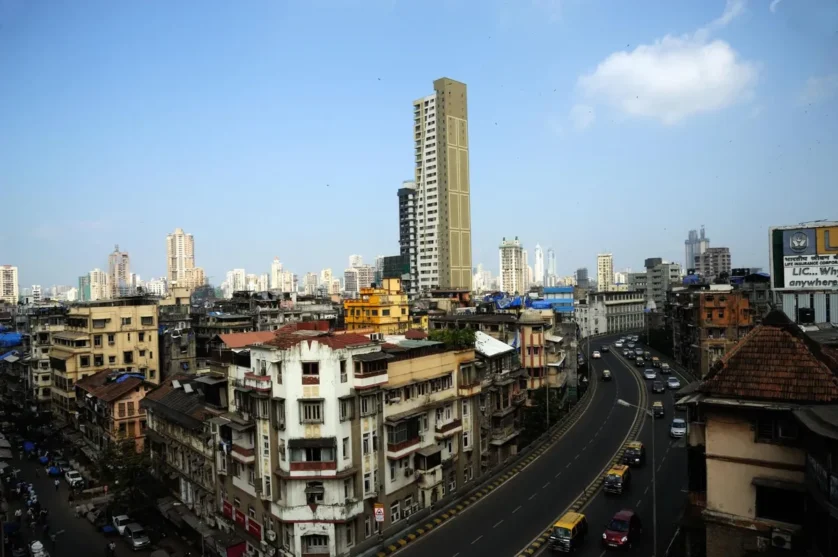
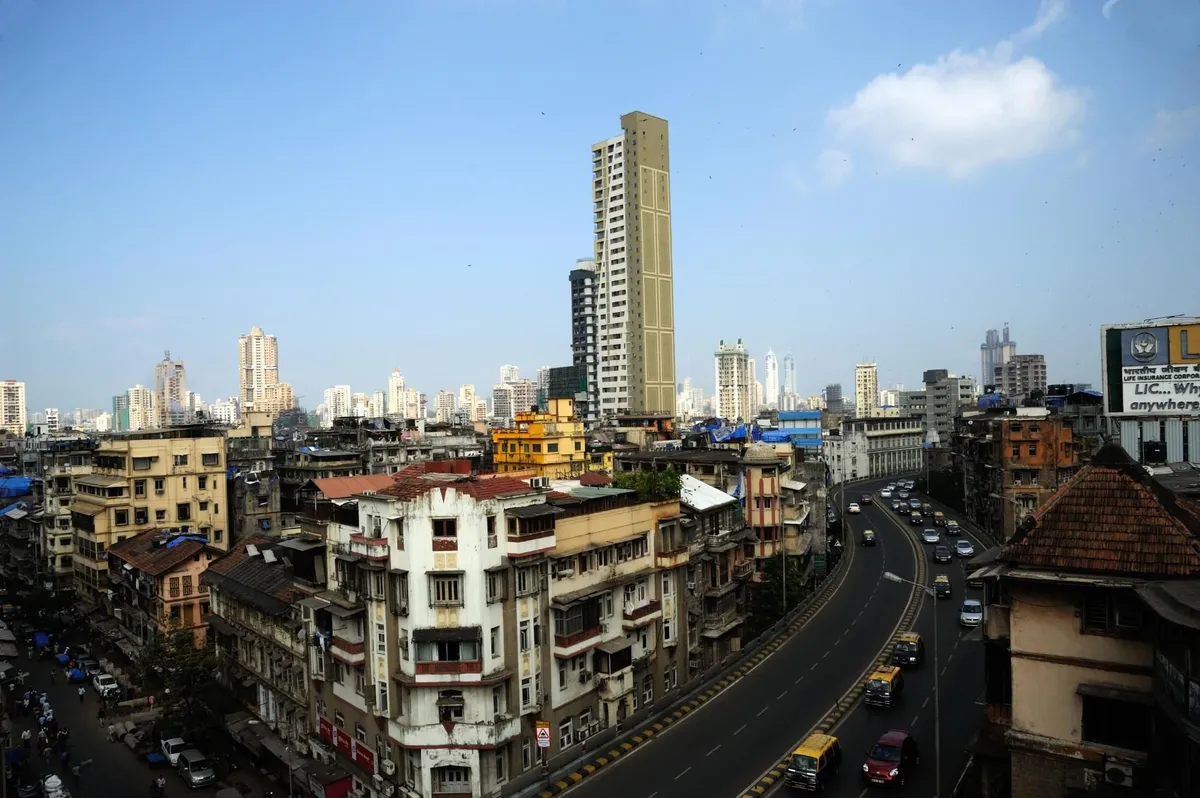
Mumbai Redevelopment Boom 2025 : Mumbai, the city that never sleeps, is in the midst of a striking transformation. Towering cranes, dust-laden sites, and gleaming new high-rises are reshaping the city’s skyline. But this isn’t just about architecture—it’s a fundamental shift in how Mumbai lives, grows, and sustains itself.
Welcome to the Mumbai redevelopment boom of 2025, a wave of change that’s modernizing aging neighborhoods, improving living standards, and unlocking fresh opportunities for both developers and homebuyers.
What’s Driving Mumbai’s Redevelopment Surge?
Mumbai’s redevelopment momentum is being propelled by two powerful forces:
Aging Buildings
Over half of Mumbai’s residential buildings are more than 30 years old. Many are in poor condition, lacking modern amenities and structural safety. Meanwhile, the city’s population keeps growing, fueling demand for well-connected, modern housing. Redevelopment allows outdated buildings to be replaced with high-rises featuring better amenities, safety measures, and infrastructure.
Government Support
Recent policy changes have made redevelopment far more attractive to developers. The revised Development Control and Promotion Regulation (DCPR 2034) has streamlined approvals, relaxed parking norms, and introduced incentives for building community infrastructure like schools and hospitals within projects. These changes have significantly reduced hurdles for redevelopment projects, allowing faster execution.

Hotspots of Redevelopment in Mumbai
Redevelopment isn’t limited to a single area—it’s sweeping across the city. Some of the busiest zones include:
- South Mumbai: Girgaon, Byculla, Mazgaon, where old chawls and aging structures are being replaced by modern towers.
- Western Suburbs: Andheri, Goregaon, Borivali, and Kandivali, where society-developer partnerships are transforming local skylines.
- Eastern Suburbs: Chembur, Mulund, and Ghatkopar are seeing a spike in new launches driven by redevelopment activity.
Also Read : Key Legal Checklist for Buying a Property in Thane
Notable Redevelopment Projects
Several large-scale projects stand out in Mumbai’s redevelopment boom:
- The Imperial, Tardeo: Twin 60-storey towers developed through a slum rehabilitation model.
- Bhendi Bazaar Redevelopment: Transforming slum clusters into modern towers, with Phase 1 completed (Al Sa’adah Towers).
- Dharavi Redevelopment: India’s largest slum revamp, spread over 600 acres, with a ₹3 billion budget.
- Piramal Mahalaxmi: High-end apartments built through slum redevelopment under SRA norms.
- Kolte-Patil Society Project: Spanning Mulund West and Vashi, redeveloping 7.3 lakh sq. ft. with ₹1,200 crore revenue potential.
- Mahindra Lifespaces: Active projects in Andheri West and Malad under cluster redevelopment.
- Navjivan Society, Mahim West: Raymond Group’s ₹1,700 crore redevelopment on 3.6 acres.
- Kalpataru Borivali: A six-acre redevelopment transforming into 7 lakh sq. ft. of modern housing.
Benefits of Redevelopment
For Current Residents:
- Safer buildings built to modern codes
- Access to lifts, parking, security, and green spaces
- Increased property value
- In some cases, larger apartments than the original units
For New Homebuyers:
- Opportunity to live in central, well-established neighborhoods
- Modern amenities compared to older resale stock
- Often more affordable than entirely new projects in peripheral zones
For the City:
- Improved skyline and urban infrastructure
- Optimized land use in a space-constrained city
- Better fire safety and disaster resilience
Supporting Mumbai’s Essential Workforce
Redevelopment isn’t only about luxury towers. It also safeguards affordable housing for Mumbai’s essential workers—drivers, nurses, security staff, and domestic workers. Many older chawls and MHADA societies are being rebuilt, with original residents offered new apartments in the redeveloped projects. This helps preserve communities and prevents displacement of people vital to the city’s daily life.
What Should Buyers Consider?
If you’re exploring properties in redeveloped buildings:
- Check the developer’s past track record in similar projects.
- Review the project’s RERA registration and approval status.
- Confirm occupancy timelines, which may differ from fresh launches.
- Understand how many tenants are being accommodated versus new flats being sold.
- Compare home loan options, as some banks offer special terms for redevelopment properties.
The Future of Mumbai Redevelopment
Mumbai’s redevelopment boom isn’t just changing buildings—it’s reshaping the city’s identity and how people live and work. For buyers, it’s a chance to own modern homes in familiar neighborhoods. For societies, it’s safety and a fresh start. And for Mumbai, it’s the opportunity to grow without losing its soul.
The next few years will determine how successfully the city balances modernization with inclusivity. But one thing is certain: Mumbai’s skyline—and its story—will never be the same.
 Real Estate
Understanding Carpet Area vs. Built-Up Area vs. Super Built-Up Area: The Ultimate Guide for Property Buyers
Table of Contents
Introduction
Imagine visiting a gorgeous property that’s advertised as 1,500 sq. ft., only to find the actual space feels much smaller than you expected. Confused? You’re not alone.
The reason lies in the differences between Carpet Area, Built-Up Area, and Super Built-Up Area—three terms every property buyer must understand. Whether you’re investing in a home, an office, or a retail space, knowing these differences will help you make smarter decisions and avoid costly surprises.
What is Carpet Area?
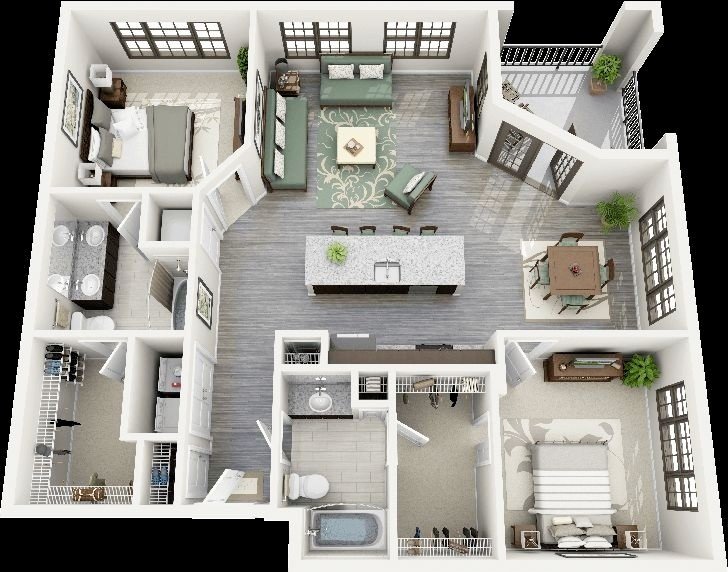
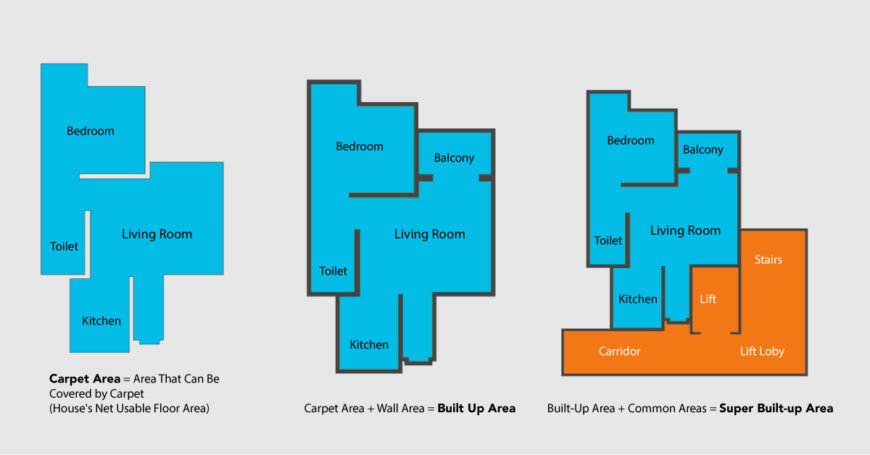
Carpet Area is the actual usable space inside your property—the area you can physically walk on or lay a carpet on.
✅ Included in Carpet Area:
- Living room, bedrooms, dining area
- Kitchen
- Bathrooms and toilets
- Internal partition walls
🚫 Not included:
- External walls
- Balcony or terrace
- Common areas like corridors, lobbies, staircases
Pro Tip: Carpet Area usually constitutes around 70–80% of the Super Built-Up Area. Always ask for this figure when comparing properties.
What is Built-Up Area?
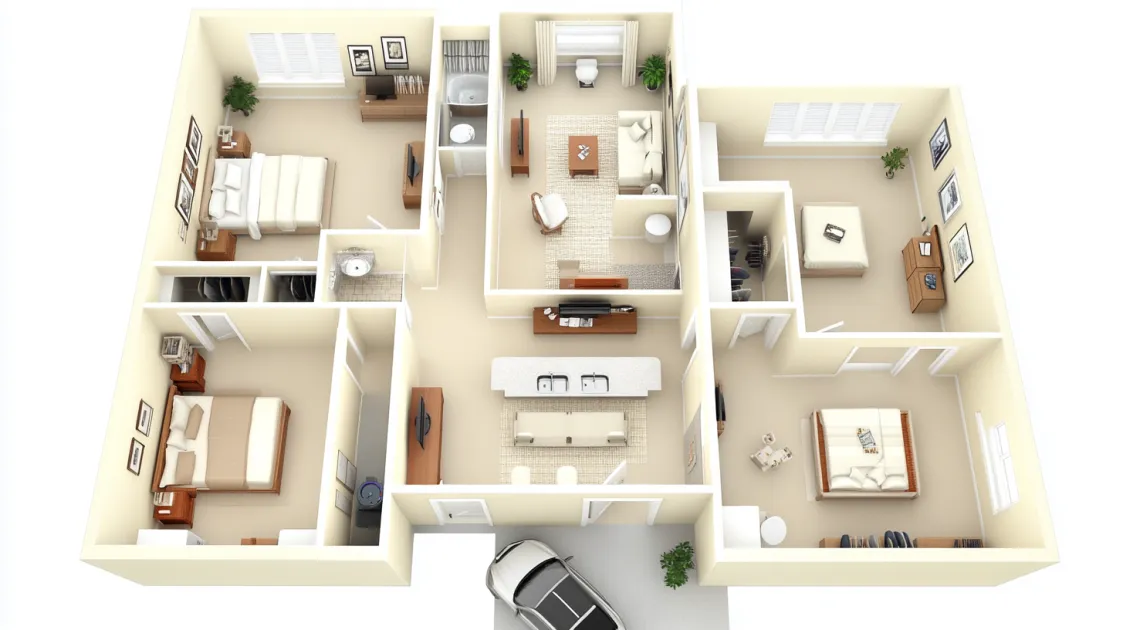
The Built-Up Area expands on the Carpet Area by adding the thickness of the walls and spaces like balconies or terraces.
✅ Included in Built-Up Area:
- Carpet Area
- Internal and external wall thickness
- Balcony, utility areas
Built-Up Area is typically 10–15% larger than the Carpet Area and gives you a better idea of how much space the unit physically occupies.
What is Super Built-Up Area?
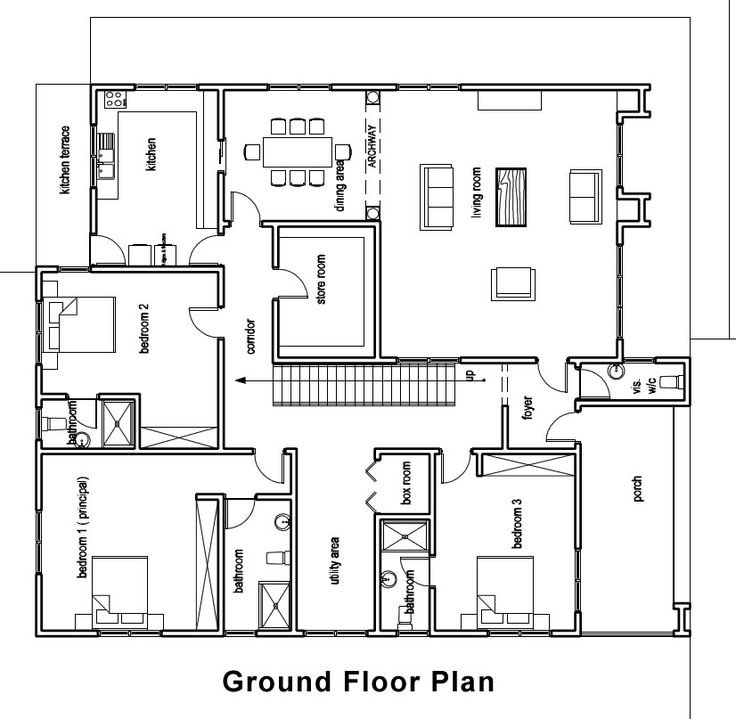
This is where things often get tricky. The Super Built-Up Area includes the Built-Up Area plus your proportionate share of common areas.
✅ Included in Super Built-Up Area:
- Built-Up Area
- Common corridors and lobbies
- Staircases
- Lift shafts
- Clubhouse, swimming pool, gym
- Sometimes parking areas
Builders often quote prices based on the Super Built-Up Area. This can inflate the per-square-foot cost you’re paying because it includes spaces you share with other residents or occupants.
Also Read : Buying Property in Thane: Hidden Costs You Must Know
Why These Differences Matter
💰 Impact on Cost
- Property pricing is usually calculated on the Super Built-Up Area.
- A higher Super Built-Up Area means a higher total cost—but not necessarily more usable space.
🏠 Impact on Space Planning
- Your furniture, layout, and daily comfort depend on the Carpet Area.
- Always check how much usable space you’re truly getting.
🔍 Transparency and Comparison
- Knowing these terms helps you compare different projects accurately.
- Ask for the area breakup before finalizing any deal.
Example Calculation
Suppose a developer advertises a flat as 1,500 sq. ft. Super Built-Up Area:
- Carpet Area: ~1,050 sq. ft.
- Built-Up Area: ~1,200 sq. ft.
- Super Built-Up Area: 1,500 sq. ft.
So, while you’re paying for 1,500 sq. ft., your actual usable space may only be around 1,050 sq. ft.
Conclusion
Buying property is one of the biggest financial decisions you’ll make. Understanding Carpet Area, Built-Up Area, and Super Built-Up Area is essential for ensuring you get value for your money—and the right amount of space for your needs.
Never hesitate to ask developers for clarity. A few questions upfront can save you significant money and help you avoid buyer’s regret down the road.
 Real Estate
Key Legal Checklist for Buying a Property in Thane
Table of Contents
Investing in property is one of the biggest financial decisions you’ll ever make. Especially in a growing market like Thane, buyers must exercise caution and conduct thorough legal due diligence before signing on the dotted line. Here’s a detailed legal checklist to help you safeguard your investment and ensure you’re purchasing a property with a clear title and no hidden risks.
1. Verify Title Documents and Ownership History
The most critical step in property purchase is checking the title. Ensure that the seller has a clear and marketable title. Ask for documents spanning at least 30 years (or a minimum of 12 years if older records are unavailable). Key documents include:
- Government grants or orders
- Sale deeds, gift deeds, or wills
- Partition or succession deeds
- Registered agreements and Power of Attorney documents, if applicable
Always confirm that documents are properly stamped and registered with the jurisdictional sub-registrar.
2. Check the Seller’s Identity and Legal Authority
It’s equally important to verify who you’re buying from. Confirm:
- Seller’s nationality and residence status
- Identity proofs like Aadhaar, PAN, or passport
- Ownership details in case of joint ownership
- Corporate documents if the seller is a company, trust, or partnership
- Court permissions if the seller is acting on behalf of a minor or person of unsound mind
This helps avoid complications later, especially in cases where ownership rights are not clear.
3. Confirm Land Use and Zoning
With Thane rapidly urbanizing, many plots are transitioning from agricultural to non-agricultural use. Check that:
- The property’s usage aligns with the Thane Master Plan
- Zoning regulations permit residential, commercial, or other intended uses
- Necessary permissions exist for any change in land use
This is crucial to avoid legal troubles if the land is not meant for your intended purpose.
4. Verify Construction and Building Approvals
For flats or buildings, scrutinize:
- Approved building layout and floor plans
- No-Objection Certificates (NOCs) from authorities like pollution boards, fire departments, or the environment ministry
- Permissions for utilities like water, sewage, and electricity
These approvals ensure the structure is legal and compliant with safety norms.

5. Obtain Occupancy Certificate
Never skip verifying the Occupancy Certificate (OC). An OC confirms that construction complies with sanctioned plans and building codes. Buying a property without an OC could expose you to fines, demolition risks, or challenges in securing utility connections.
6. Check Property Tax Payments
Unpaid property taxes can become your liability after purchase. Ask the seller for:
- Latest property tax receipts
- Utility bill payments (water, electricity, maintenance)
This ensures there are no pending dues that could affect your ownership rights.
7. Search for Encumbrances
A property might look perfect but still have legal or financial claims attached. Check for:
- Registered encumbrances at the sub-registrar’s office
- Mortgage or loan liabilities
- Legal disputes involving the property
Buyers in Maharashtra can check the Department of Stamps and Registration website for encumbrance details.
Also Read : Investment Duet: Orchestrating Choices Between 2 BHK and 3 BHK Residences
8. Conduct a Physical Survey
Always visit the property personally. For land, confirm the boundaries and check for:
- Encroachments
- Right of way or access issues
- Disputes over shared spaces
This avoids surprises after purchase.
9. RERA Registration Compliance
Under the Real Estate (Regulation and Development) Act (RERA), developers and brokers must be registered. Before booking a flat in Thane:
- Check the project’s RERA registration number
- Review complaints or litigation history on the RERA portal
- Confirm that your broker is RERA-registered
This adds a legal layer of safety and transparency.
10. Handle Existing Home Loans Carefully
If the property has an existing loan:
- Ask the seller to clear outstanding dues
- Get a “No Dues Certificate” from the bank
- Or explore transferring the loan into your name
Ensure you receive original documents only after confirming the property is free from encumbrances.
Avoid Cutting Corners
While banks conduct some legal checks before sanctioning home loans, do not rely solely on them. Skipping legal due diligence could leave you entangled in disputes, unclear ownership, or financial losses.
Remember:
- Don’t sign documents without understanding them
- Avoid cash payments (“black money”) to save tax
- Never buy disputed property, no matter how low the price
- Always check the Power of Attorney if dealing through a representative
Purchasing a property is exciting—but staying legally vigilant will ensure your investment in Thane is secure, profitable, and stress-free.
 Real Estate
Buying Property in Thane: Hidden Costs You Must Know
Table of Contents
Buying a flat in Thane is an exciting milestone. With excellent infrastructure, proximity to Mumbai, and rapidly developing neighborhoods, Thane has become a prime real estate destination for both end-users and investors.
However, many first-time buyers are shocked to discover that the price advertised by developers isn’t the final amount they’ll pay. Beyond the base price of the flat, there are several hidden costs that can significantly impact your budget.
At Urvik Consulting, we believe in total transparency. Here’s a comprehensive guide to all the hidden costs you should factor in before purchasing a property in Thane.
1. Stamp Duty and Registration Charges
This is one of the biggest hidden costs buyers often overlook. When you buy a property in Thane (or anywhere in Maharashtra), you must pay:
- Stamp Duty – Currently around 6% of the agreement value in Thane.
- Registration Charges – Typically 1% of the agreement value.
For a flat costing ₹1 crore, that’s ₹6 lakh in stamp duty and ₹1 lakh for registration, adding up to ₹7 lakh over and above your purchase price.
2. GST on Under-Construction Properties
If you’re buying an under-construction flat in Thane, you’ll pay GST (Goods and Services Tax):
- 5% GST on residential property without input tax credit.
For a ₹1 crore under-construction flat, this adds another ₹5 lakh. However, note that GST is not applicable on ready-to-move-in flats.
3. Floor Rise Charges
Most Thane builders charge a premium for higher floors, called “floor rise charges.” For instance:
- ₹50–₹100 per sq. ft. extra for each floor above a certain level.
On a 1,000 sq. ft. flat, buying on the 10th floor instead of the 1st could cost ₹50,000–₹1 lakh extra, depending on the builder’s policy.
4. Development Charges and Infrastructure Fees
Builders in Thane often pass on government levies to buyers in the form of:
- Development Charges
- Infrastructure Fees
- Fire Safety Charges
These can total ₹100–₹300 per sq. ft., depending on the project. For a 1,000 sq. ft. flat, that’s ₹1–₹3 lakh more.

5. Clubhouse and Amenities Charges
Thane’s new projects boast modern amenities like swimming pools, gyms, landscaped gardens, and clubhouses. But these aren’t always included in the base price. Builders often charge:
- One-time clubhouse charges (₹50,000–₹2 lakh)
- Annual maintenance fees for amenities
Always check your agreement to avoid surprises.
6. Legal and Documentation Fees
When buying property in Thane, budget for:
- Lawyer’s fees (₹10,000–₹25,000) for agreement vetting
- Documentation charges for agreement preparation, power of attorney, etc.
Though small, these costs are essential for safe transactions.
7. Home Loan Processing Fees
Planning to finance your flat purchase through a bank? Banks charge:
- Processing fees of 0.25% to 1% of the loan amount.
On a ₹75 lakh loan, expect ₹18,750–₹75,000 as processing fees.
8. Society Formation and Share Money Charges
Once a building is complete, the builder usually charges each buyer for:
- Society formation costs
- Share certificate fees
This might range between ₹10,000–₹50,000 per flat in Thane.
9. Advance Maintenance Charges
Many builders collect 1–2 years’ advance maintenance at possession. This ensures funds for security, cleaning, lifts, lighting, and other society expenses. Depending on your project’s amenities, expect ₹50,000–₹2 lakh upfront.
10. Interior and Furnishing Costs
Finally, don’t forget your flat needs interiors! Unless you buy a fully furnished apartment:
- Kitchen trolleys, wardrobes, false ceiling, lights, fans, etc. can easily cost ₹5–₹10 lakh or more for a standard 2 BHK in Thane.
Why Transparency Matters
Thane’s real estate market is booming, but buying a home without knowing these hidden costs can stretch your budget and cause financial stress. At Urvik Consulting, we always provide clients with all-inclusive pricing, so there are no unpleasant surprises later.
Before you finalize your dream home in Thane, ask your builder or agent for a detailed cost sheet, including every hidden expense. It’s the smart way to plan your finances and enjoy your new home stress-free.
Also Read : A Comprehensive Guide to Home Loans in Thane and Mumbai
Final Words
Thane offers exceptional opportunities for homeowners and investors alike. However, being prepared for these hidden costs is the key to a smooth buying journey. If you’re considering purchasing a property in Thane, connect with Urvik Consulting. Our team will help you navigate the process transparently, ensuring you know exactly what you’re paying for.
Your dream home should be a source of joy—not unexpected bills. Let Urvik Consulting help you buy smart!
 Real Estate
Understanding RERA for Thane Property Buyers
Table of Contents
Buying a property is one of the biggest financial decisions you’ll ever make. Yet, until a few years ago, the Indian real estate market was plagued by delays, lack of transparency, and buyer grievances. The game-changer arrived in 2016 with the introduction of the Real Estate (Regulation and Development) Act, popularly known as RERA.
For home buyers in Thane — one of the fastest-growing real estate markets in the Mumbai Metropolitan Region — understanding RERA is crucial. Whether you’re investing in a 2 BHK or a luxury 3 BHK, RERA offers vital protections to ensure your hard-earned money is safe. At Urvik Consulting, we’re committed to helping our clients make informed property decisions. Here’s what every property buyer in Thane should know about RERA.
What is RERA?
The Real Estate (Regulation and Development) Act, 2016, was implemented to bring transparency, accountability, and efficiency to India’s real estate sector. Under RERA, every residential and commercial real estate project above a certain size must be registered with the respective state’s RERA authority.
For Thane buyers, MahaRERA (Maharashtra Real Estate Regulatory Authority) is the regulatory body overseeing projects across the state, including Thane.

Key Benefits of RERA for Thane Property Buyers
1. Transparency in Project Details
Before RERA, developers often advertised projects without proper approvals, leaving buyers vulnerable. Under MahaRERA, builders must disclose crucial details such as:
- Approved building plans
- Project timeline and completion date
- Land ownership and legal clearances
- Past track record of the developer
All this information is accessible to buyers on the MahaRERA website, helping you verify a project before investing.
2. Timely Possession of Your Flat
One of the biggest pain points for Thane buyers used to be project delays. With RERA in place:
- Developers must stick to the completion timeline they’ve declared in their registration.
- If they fail to deliver on time, buyers are entitled to compensation or a refund with interest.
This makes investing in Thane real estate safer than ever before.
3. Standardised Carpet Area Definition
Earlier, many buyers were confused by the difference between carpet area, built-up area, and super built-up area. RERA has cleared this ambiguity:
- Carpet Area is now legally defined as the net usable floor area of the flat, excluding common areas like lobbies and staircases.
When buying a property in Thane, always ensure the price you’re quoted is based on carpet area as per MahaRERA guidelines.
4. Protection Against False Promises
Developers can no longer lure buyers with false promises. RERA makes it illegal for builders to advertise amenities or facilities that aren’t part of approved plans. If a developer fails to deliver what was promised, buyers have the right to seek compensation through MahaRERA.
5. Advance Payments Capped
Earlier, buyers were sometimes asked to pay large sums upfront. Under RERA:
- A developer cannot demand more than 10% of the property cost as advance before signing a formal agreement for sale.
This protects buyers from sudden financial strain and ensures they only commit funds once there’s a legal agreement in place.
6. Grievance Redressal Mechanism
If you face any dispute with a developer, you can file a complaint directly with MahaRERA. The authority typically resolves cases swiftly, ensuring buyers aren’t left waiting for years for justice.
How to Check if a Thane Project is RERA Registered
Before you buy a flat in Thane:
✅ Visit the MahaRERA official website (https://maharera.mahaonline.gov.in)
✅ Search for the project name or developer name
✅ Check for valid registration details, approvals, and project status
Buying an apartment only in RERA-registered projects drastically reduces your risks.
Also Read : The RERA Revolution 2025: A New Era of Trust in Mumbai’s Real Estate
Why RERA Matters for Thane’s Rapid Growth
Thane has seen tremendous infrastructure development, from new metro lines to upgraded highways. Naturally, real estate demand is booming. However, with new projects mushrooming everywhere, it’s crucial to invest only in those compliant with RERA.
At Urvik Consulting, we ensure our clients are shown only RERA-registered projects, protecting them from legal troubles and future disputes.
Final Thoughts
Whether you’re buying a 2 BHK for your family or investing in a spacious 3 BHK, knowing your rights under RERA can save you from major financial headaches. Transparency, legal protection, and timely possession are no longer just aspirations—they’re your legal rights.
Thinking of buying property in Thane? Connect with Urvik Consulting today. We’ll help you navigate RERA and find the perfect home, safely and confidently.
 Real Estate
Investment Duet: Orchestrating Choices Between 2 BHK and 3 BHK Residences
1. Tune of Space: Balancing Comfort and Budget
At Urvik Consulting, we understand that choosing between a 2 BHK and a 3 BHK apartment often comes down to how much space your lifestyle demands. A 2 BHK, with its compact layout, is perfect for smaller families, couples, or individuals seeking a more budget-friendly option. It offers just enough space without stretching finances unnecessarily.
On the other hand, a 3 BHK provides the luxury of additional rooms, catering beautifully to larger families or those wanting extra space for a home office, guest room, or hobbies. In India, where family bonds are strong, many homebuyers value the ample living space that a 3 BHK offers. However, the 2 BHK holds its own charm, providing a cozy and practical haven for nuclear families and young professionals stepping into homeownership.
2. Rhythm of Affordability: Navigating Financial Harmony
Real estate investment always involves a careful dance with finances. At Urvik Consulting, we guide clients who wish to make prudent investments without compromising on essential needs. The 2 BHK remains a popular choice for first-time buyers or those looking to allocate funds across multiple investment avenues.
In contrast, a 3 BHK, while requiring a higher initial outlay, offers the promise of future-proofing your lifestyle as your family’s needs grow. Balancing immediate affordability with long-term vision is crucial, and our team at Urvik Consulting helps clients strike this delicate balance.
3. Harmony of Location: A Highlight in the Investment Symphony
Location is the defining note in the symphony of any real estate investment. Whether you’re considering a 2 BHK or a 3 BHK, different areas present unique advantages and amenities. At Urvik Consulting, we’ve observed that 2 BHK apartments often dominate urban landscapes where space comes at a premium, while 3 BHK homes frequently find their niche in suburban developments offering more generous layouts and greener surroundings.
Understanding your lifestyle, daily commute, and family needs is key to determining whether a 2 BHK or a 3 BHK suits you best—and we’re here to guide you every step of the way.
4. Tune of Flexibility: Adapting to Changing Needs
Life evolves, and so do housing requirements. A 3 BHK offers invaluable flexibility, giving homeowners space to accommodate new family members, set up a dedicated workspace, or create a guest suite. The extra room becomes a buffer that allows you to adapt to life’s changing rhythms seamlessly.
Meanwhile, the 2 BHK promotes a minimalist and efficient lifestyle, encouraging residents to prioritize essentials and maintain a simpler living environment. For many of our clients at Urvik Consulting, this simplicity is precisely what makes a 2 BHK appealing.

5. Antithesis of Resale Value: Future-Proofing Your Investment
From an investment standpoint, resale value plays a crucial role. A 3 BHK, owing to its larger size and broader market appeal, often holds its value strongly over time. It’s an excellent choice for buyers with a long-term perspective, whether for personal living or future resale.
However, a well-located, smartly designed 2 BHK can also be a profitable asset, especially in urban areas where smaller homes are in high demand. At Urvik Consulting, we emphasize that the choice between a 2 BHK and a 3 BHK should also align with whether you’re purchasing the property for self-use or as an investment.
At Urvik Consulting, we believe there’s no one-size-fits-all approach to choosing your ideal home. Your decision should reflect your lifestyle, financial plans, and vision for the future. Whether it’s a cozy 2 BHK or a spacious 3 BHK, our team is committed to helping you find the perfect property to call home—or your next smart investment.
Explore premium properties and expert guidance with Urvik Consulting today. Your dream home awaits.