
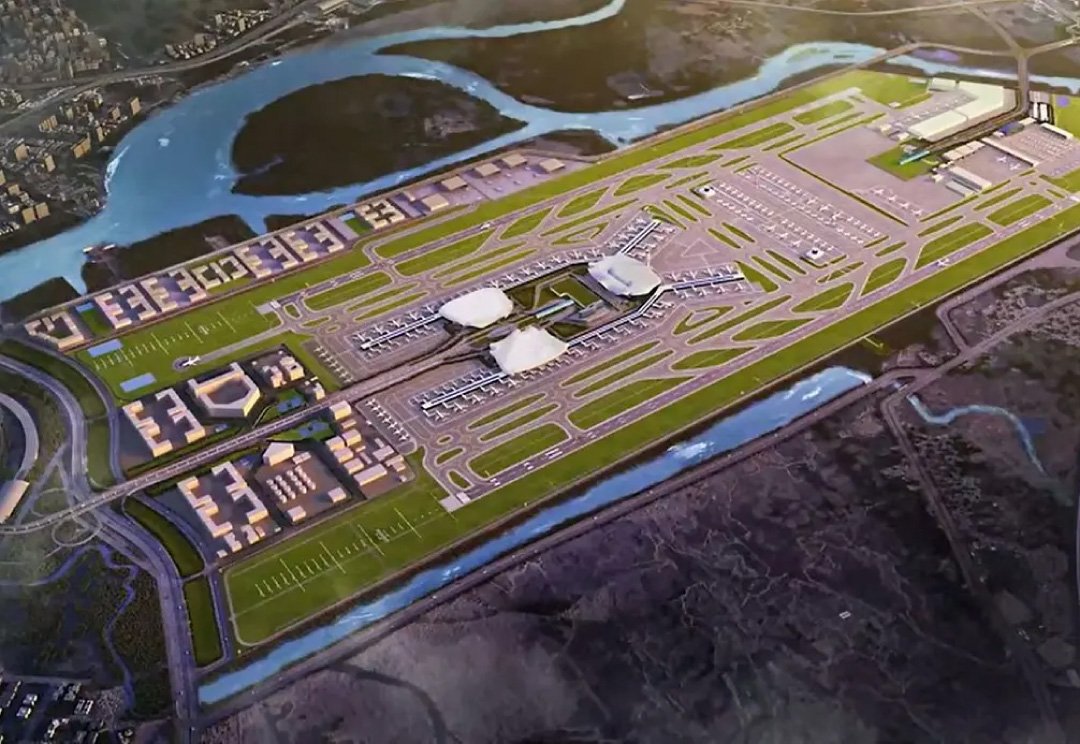
India’s real estate market in 2026 is being reshaped by two major infrastructure catalysts — the rapid expansion of metro networks and new airport developments. These projects are not only improving urban connectivity but also driving massive demand for residential and commercial properties in metro-linked and airport-adjacent zones.
Enhanced mobility, reduced travel time, and improved accessibility are transforming how homebuyers and investors choose their next property destination. Cities like Mumbai, Pune, Delhi, Hyderabad, and Bengaluru are emerging as top beneficiaries of these transit-driven growth trends.
Table of Contents
Metro Projects Fueling India’s Real Estate Boom
Metro connectivity has become one of the most reliable drivers of property appreciation across major Indian cities. In 2026, several new metro routes and extensions are expected to go operational, further boosting residential and commercial demand.
Key cities witnessing strong metro infrastructure growth include Mumbai, Pune, Delhi, Ahmedabad, Kochi, Nagpur, and Lucknow. These projects are transforming once-remote suburbs into well-connected and livable hubs.
How Metro Proximity Impacts Property Prices
Properties located within 500 meters of metro stations have historically appreciated 10–25% faster per year than those farther away. Over three years, such properties have recorded an overall value growth of 25–80%.
For instance:
- In Pune, areas like Hinjewadi, Kharadi, Shivajinagar, and Katraj are witnessing strong buyer demand due to metro connectivity.
- In Mumbai, metro lines connecting Dahisar, Andheri, and BKC are driving a sharp rise in both residential and commercial transactions.
Transit-Oriented Development (TOD): The Future of Urban Planning
One of the biggest trends shaping metro-linked zones is Transit-Oriented Development (TOD) — a model that promotes high-density, mixed-use construction along metro corridors.
In Maharashtra, for example, a maximum FSI of 4 is permitted along designated TOD zones. This has led to the rise of integrated mixed-use developments combining homes, offices, and retail spaces — all within walking distance from metro stations.
These projects appeal strongly to professionals and families who value convenience, sustainability, and lifestyle amenities within compact urban zones.

Key Metro Lines to Watch in 2026
- Delhi Metro Extensions:
- Aerocity–Tughlakabad and Rithala–Narela corridors to decongest Delhi and link emerging suburbs to business hubs.
- Mumbai Metro Line 9:
- Connecting Dahisar–Mira Bhayandar, this line will enhance access to north Mumbai and boost demand in the extended suburbs.
- Bengaluru Metro Phase 2:
- Extending to Whitefield, KR Puram, and Electronic City, strengthening real estate demand in tech-driven zones.
- Hyderabad Metro Expansion:
- New routes to Kokapet and Financial District to elevate real estate potential in emerging employment corridors.
- Surat Metro:
- Expected to improve daily connectivity between residential and industrial zones, opening new housing micro-markets.
Airport Projects Redefining Real Estate Growth
While metro networks drive intra-city growth, airport developments are transforming regional real estate landscapes. Airport-linked regions are seeing rapid growth in housing, hospitality, logistics, and retail demand.
Effect of Airports on Property Value
Historically, properties near airports have appreciated 84–194% within a few years of project announcement and completion. In the first operational years, annual price growth ranges between 20–25%.
Airports also generate job creation, logistics hubs, and commercial infrastructure, all of which drive long-term real estate demand.
Government’s Airport Expansion Push
India’s government aims to increase the number of functional airports to 350 by 2047. This expansion is expected to open new real estate investment corridors — particularly in Tier-2 and Tier-3 cities that are gaining direct air connectivity.
Cities Set to Benefit from Airport Projects
- Navi Mumbai: Driven by the Navi Mumbai International Airport and Aerocity development.
- Noida: Jewar Airport (Noida International Airport) to become one of Asia’s largest aviation hubs.
- Hyderabad: Expansion of Rajiv Gandhi International Airport to add new logistics and residential demand.
- Bengaluru: Kempegowda International Airport’s new terminal driving high-end real estate growth.
- Goa: Mopa Airport development attracting investors and tourists alike.
These emerging “aerotropolis” zones integrate residential, retail, hospitality, and corporate parks, creating self-sustained ecosystems that blend lifestyle and business.
Impact on Investors and Homebuyers
Infrastructure-led growth continues to be a core investment driver in India’s property market.
According to real estate experts, property values near metro or airport projects rise 15–30% within 1–2 years of project completion.
For investors and homebuyers, this means:
- Higher capital appreciation in emerging transit corridors.
- Steady rental demand from professionals and businesses.
- Balanced returns across residential and commercial segments.
- Early investment advantage before full infrastructure activation.
Cities like Navi Mumbai, Hyderabad, and Bengaluru, where metro and airport projects converge, offer the strongest long-term upside potential.
Conclusion
India’s expanding metro and airport infrastructure isn’t just improving travel — it’s redefining urban growth, housing patterns, and investment opportunities.
These developments are giving rise to new urban centers, enhancing connectivity, and boosting property demand across the nation.
For investors and homebuyers alike, 2026 will be a landmark year to tap into India’s next wave of infrastructure-driven real estate growth.