
 Real Estate
How to Save Tax When Buying Property in India 2026
Table of Contents
Buying a property is one of the biggest financial decisions for most families in India. Along with the property price, buyers also need to consider additional costs such as stamp duty, registration charges, and taxes. However, the Indian government has introduced several policies and tax benefits that help homebuyers reduce their financial burden.
With the implementation of major reforms such as the Real Estate Regulation Act (RERA) and the Goods and Services Tax (GST), the property buying process in India has become more transparent and streamlined. These reforms not only protect buyers but also offer several opportunities to save taxes when purchasing a property.
If you are planning to buy a home, understanding these tax benefits can help you significantly reduce the overall cost. In this guide by Urvik Consulting, we explain the taxes involved in property purchases and the smart ways to save money.
Taxes You Pay When Buying Property in India
The taxes applicable to property purchases in India depend largely on the type of property you are buying. Generally, the taxes differ between under-construction properties and ready-to-move-in homes.
1. Taxes on Under-Construction Property
When purchasing an under-construction property, buyers are required to pay several taxes and charges, including:
- GST (Goods and Services Tax)
- Stamp Duty
- Registration Charges
GST is applicable only to under-construction properties because they are considered a service provided by the developer. Currently, the GST rate varies depending on the category of housing but is typically lower than earlier tax structures.
Stamp duty is a state government tax that legalizes the property transaction, while registration charges are required to officially record the property ownership with the government.
These charges can vary from state to state but generally range between 5% to 7% of the property value.
2. Taxes on Ready-to-Move-In Property
Ready-to-move-in properties are more tax-efficient because GST does not apply to them. Buyers only need to pay:
- Stamp duty
- Registration charges
This makes ready properties an attractive option for many buyers as they can avoid GST charges that apply to under-construction homes.
Smart Ways to Save Tax When Buying Property
While buying a home involves several costs, the Indian tax system provides multiple deductions that help buyers reduce their taxable income. Here are some of the most effective ways to save taxes when purchasing a property.
1. Tax Benefits Under Affordable Housing Schemes
The Government of India has introduced several initiatives to encourage homeownership, especially under the affordable housing segment.
Schemes like Pradhan Mantri Awas Yojana (PMAY) provide financial assistance and tax benefits to eligible homebuyers under different income categories such as:
- Economically Weaker Section (EWS)
- Lower Income Group (LIG)
- Middle Income Group I (MIG-I)
- Middle Income Group II (MIG-II)
Under these schemes, buyers may receive interest subsidies and reduced GST rates on eligible properties, making homeownership more affordable.
2. Tax Deduction on Stamp Duty and Registration Charges
Property buyers can claim tax deductions on stamp duty and registration charges under Section 80C of the Income Tax Act, 1961.
Under this section, buyers can claim deductions of up to ₹1.5 lakh for these expenses. However, this deduction is available only in the financial year in which the property purchase takes place.
This benefit can significantly reduce the taxable income of a property buyer.
3. Tax Deduction on Home Loan Interest
Home loan borrowers can claim tax deductions on the interest paid on their loan.
Under Section 24 of the Income Tax Act, buyers can claim a deduction of up to ₹2 lakh per year on interest paid for a self-occupied property.
This benefit helps reduce the effective cost of borrowing and makes home loans more manageable for buyers.
4. Tax Benefits on Joint Home Loans
Another effective way to maximize tax benefits is by taking a joint home loan with a spouse or family member.
In a joint loan, both co-borrowers can claim tax benefits individually if they are also co-owners of the property.
Each borrower can claim:
- Up to ₹2 lakh deduction on interest under Section 24
- Up to ₹1.5 lakh deduction on principal repayment under Section 80C
This strategy can significantly increase the total tax savings for a family purchasing a home together.
5. Tax Deduction on Principal Repayment
Homebuyers can also claim tax deductions on the principal repayment of their home loan.
Under Section 80C, buyers can claim a deduction of up to ₹1.5 lakh per year on the principal component of their EMI payments.
However, there is an important condition. The property must not be sold within five years of possession. If the property is sold before this period, the claimed deductions may be added back to the taxable income.
Why Understanding Tax Benefits Matters
Many homebuyers focus only on the property price and overlook the tax benefits available to them. By understanding these deductions and incentives, buyers can significantly reduce their overall financial burden.
At Urvik Consulting, we help property buyers make informed decisions by guiding them through the entire property purchase process from selecting the right property to understanding financial and tax advantages.
Final Thoughts
Buying a property in India involves several taxes and charges, but the government also provides multiple tax benefits to support homebuyers. From deductions on home loan interest and principal repayment to benefits under affordable housing schemes, these incentives can substantially lower the cost of owning a home.
If you are planning to purchase property in India, understanding these tax benefits can help you make smarter financial decisions and maximize your savings.
For expert guidance on buying the right property and understanding the financial aspects of homeownership, connect with Urvik Consulting today.
 Real Estate
How to Book a Flat at The Forest Kingdom Thane: Step‑by‑Step Buying Guide for 2026
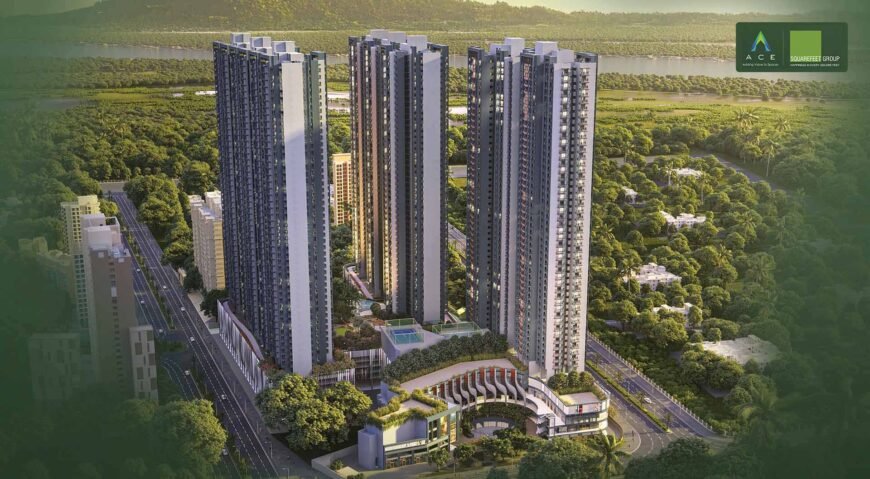
Buying a home in Thane has become a top priority for many working professionals and families who want better connectivity, green surroundings and a modern lifestyle. Ace The Forest Kingdom, located in the thriving Kasarvadavali–Ghodbunder Road belt of Thane West, brings together well‑planned apartments and lifestyle amenities in one integrated community. If you are planning to book a flat here in 2026, this step‑by‑step guide will walk you through the entire process in a simple, practical way.
Table of Contents
Step 1: Understand the project and your requirements
Before you start the booking, spend time understanding both the project and your own needs. Ace The Forest Kingdom offers modern apartments with efficient layouts and a strong focus on amenities and community living, making it attractive for end‑users as well as investors.
List down your priorities:
- Do you need a home for self‑use or investment?
- What configuration and budget range are you comfortable with?
- How important are features like clubhouse, green areas, kids’ zones or fitness spaces to you?
Once you’re clear about these points, explore the official project details on https://acetheforestkingdom.in/ where you can review configurations, features and other specifications in one place.
Step 2: Make your first enquiry with the sales team
The next step is to get in touch with the official sales team so you receive accurate, up‑to‑date information on availability, current offers and pricing. You can call directly on +91 9999221552 to register your interest and request an initial consultation.
During this first call, ask for:
- Latest inventory (available units and preferred views)
- Current price range and any limited‑period schemes
- Tentative possession timelines
- Documents you will need for booking and loan processing
This conversation will help you decide whether the project aligns with your expectations and financial plans.
Step 3: Schedule a site visit to experience the location
Online research is useful, but a site visit is essential before taking any final decision. Ace The Forest Kingdom is strategically positioned in the Kasarvadavali micro‑market on Ghodbunder Road, a fast‑developing corridor that connects efficiently to key parts of Thane, Mumbai and Navi Mumbai through major highways and growing public transport infrastructure.
During your visit, pay attention to:
- Approach roads and travel time from your workplace
- Distance to schools, hospitals, malls and daily‑use markets
- Surrounding greenery and overall neighbourhood ambience
- Actual site progress and nearby developments
Use this time to walk through the sample flat (if available), view amenity zones and understand the layout of towers and open spaces.
Step 4: Shortlist your preferred tower, floor and unit
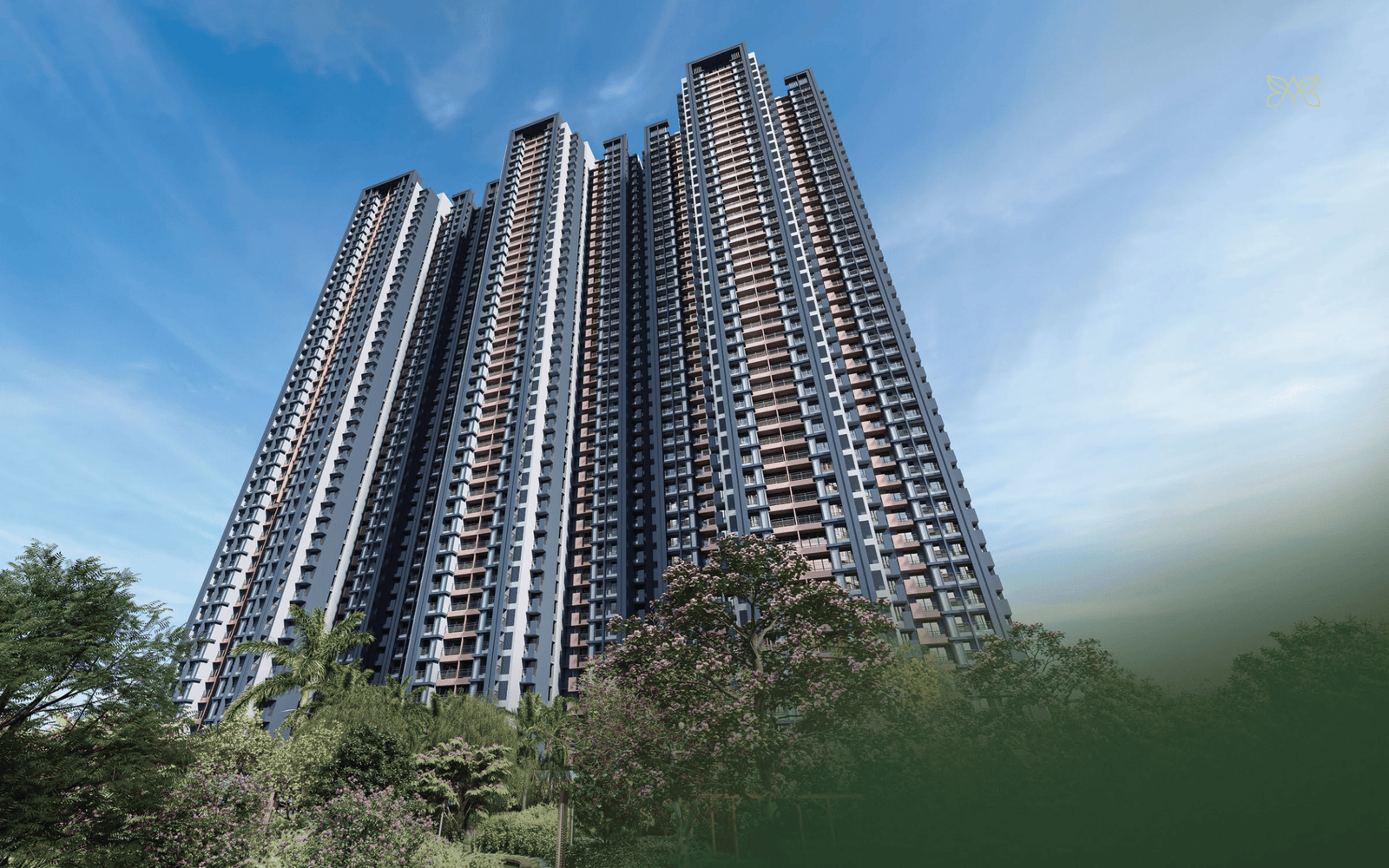
Once you are convinced about the project and the location, the next step is to choose the right apartment. The planning at Ace The Forest Kingdom focuses on optimally sized homes so that residents get practical, usable space along with access to shared lifestyle zones.
Think about:
- Floor preference (lower floors vs higher views)
- Vastu or directional preferences, if important to you
- View from balconies and windows (internal garden, road, or open spaces)
- Proximity to lifts, staircases and common amenities
Ask the sales team to show you the latest inventory chart and help you compare 2–3 options before you freeze one.
Step 5: Discuss pricing, charges and payment plan
Before blocking your unit, ensure you are clear about the total financial outgo. Apart from the basic cost, a property purchase typically involves floor rise charges, parking, club charges, government taxes, stamp duty and registration expenses.
Sit with the sales representative and go through:
- Basic flat cost and any floor rise or view premiums
- One‑time charges (clubhouse, infrastructure, development fees, etc.)
- Approximate government charges applicable in Thane
- Payment schedule linked to construction milestones or subvention, if offered
Ask them to share a formal cost sheet and payment plan in writing so you can cross‑check the numbers at home or with your financial advisor.
Step 6: Verify legal and loan‑related documents
A key advantage of branded, RERA‑registered projects is better legal transparency and documentation compared with informal developments. Even then, it is wise to verify the paperwork before booking.
You should:
- Note the project’s RERA details and verify them on the official Maharashtra RERA portal
- Ask for copies of approvals that are typically shared with buyers
- Check which banks have pre‑approved the project for home loans
If you plan to take a loan, speak to bank representatives either at the site office or directly through your bank to understand eligibility, tentative EMI and documentation required.
Step 7: Pay the booking amount and receive the allotment
Once you are fully satisfied with the details, you can proceed to block your chosen flat. The sales team will guide you on the exact booking amount and payment modes accepted. After the payment is made, you should receive:
- A provisional allotment letter mentioning your unit details
- A receipt for the booking amount
- A timeline for executing the agreement for sale
Double‑check that the flat number, tower, floor, carpet area and any agreed extras are correctly mentioned in the documents before you sign.
Step 8: Execute agreement, complete registration and move towards possession
The next major step is executing the agreement for sale and registering it as per Maharashtra law. You will be informed about the date, time and documents to bring for registration, as well as the exact stamp duty and registration charges applicable at that point.
Once the agreement is registered and your home loan (if any) is disbursed as per the construction stage, you can simply follow the construction updates shared by the developer until possession. As the project moves closer to completion, you will be guided on final payments, possession formalities and handover.
If you are ready to start this journey, visit https://acetheforestkingdom.in/ for more project information and call the dedicated booking line at +91 9999221552 to schedule your site visit and get a personalised quote for your preferred flat at The Forest Kingdom Thane in 2026.
 Real Estate
Floor Space Index (FSI) in Thane: Meaning, Formula, Calculation & Why It Matters for Homebuyers
Thane has rapidly emerged as one of the most sought-after residential destinations in the Mumbai Metropolitan Region (MMR). With expanding metro connectivity, infrastructure upgrades, and premium residential launches, buyers today are more informed than ever. One important term every property buyer in Thane should understand is Floor Space Index (FSI).
Whether you are planning to purchase a 2 BHK in Thane West, invest in a 3 BHK near Ghodbunder Road, or evaluate a new launch project in Majiwada, understanding FSI helps you make a smarter decision.
Table of Contents
What is Floor Space Index (FSI)?
Floor Space Index (FSI), also known as Floor Area Ratio (FAR), is a regulatory measure that determines how much total construction can be done on a particular plot of land.
In simple terms:
FSI = Total Built-Up Area ÷ Plot Area
For example, if a plot measures 1,000 square meters and the permissible FSI is 2.0, the developer can construct up to 2,000 square meters of total built-up area across all floors.
FSI is regulated by the Thane Municipal Corporation under Development Control Regulations. It ensures balanced urban development and prevents over-congestion in growing areas.
How FSI Works in Thane
In Thane, permissible FSI varies depending on several factors:
- Road width adjacent to the project
- Proximity to highways and metro corridors
- Type of development (residential or commercial)
- Premium FSI purchased by developers
- Redevelopment projects
In key growth corridors like Ghodbunder Road, Majiwada, and Wagle Estate, higher FSI allowances have supported vertical development, leading to the rise of premium high-rise towers.
This is why many new residential projects in Thane feature 40+ or 50+ storey buildings.

Why FSI is Important for Homebuyers in Thane
1. Impacts Property Value
FSI directly affects the development potential of land. Higher permissible FSI often allows developers to build more units or larger apartments, increasing the overall project scale.
In prime Thane locations, higher FSI can enhance land value and long-term appreciation potential.
2. Influences Project Density
Higher FSI means more construction on a plot. This can result in:
- Taller buildings
- More apartments
- Higher population density
Lower FSI generally offers more open space, better ventilation, and lower crowding. When buying a 2 BHK or 3 BHK in Thane, understanding the FSI gives insight into how dense the project will be.
3. Affects Amenities and Open Spaces
Projects with optimized FSI planning often include:
- Podium gardens
- Clubhouses
- Swimming pools
- Recreational zones
However, if FSI is maximized aggressively without proper planning, open areas may reduce. Evaluating layout efficiency is crucial before investing.
4. Determines Infrastructure Planning
FSI is used by authorities to manage:
- Traffic flow
- Water supply
- Sewage systems
- Public utilities
In a rapidly developing city like Thane, balanced FSI ensures infrastructure keeps pace with residential growth.
5. Impacts Investment Returns
From an investment perspective, FSI plays a major role in:
- Capital appreciation
- Rental demand
- Future redevelopment potential
Properties located in zones with increased FSI allowances often see strong demand from both end-users and investors.
For example, projects near upcoming metro connectivity in Thane may benefit from higher development potential and improved market value over time.
What Should Buyers Check Before Purchasing?
When evaluating a property in Thane, buyers should:
- Ask about permissible FSI for the project
- Understand carpet area vs built-up area
- Review layout efficiency
- Assess open space and amenity planning
- Check long-term infrastructure growth around the project
This ensures you are not just buying square footage but investing in sustainable value.
Final Thoughts
Floor Space Index may sound technical, but it plays a crucial role in shaping Thane’s skyline and influencing property value. As Thane continues to grow with metro expansion, improved connectivity, and premium residential launches, understanding FSI becomes essential for making informed buying decisions.
At Urvik Consulting, we help homebuyers and investors analyze projects beyond brochures — evaluating FSI, development potential, and long-term appreciation to ensure you choose the right property in Thane.
If you are planning to invest in Thane real estate, connect with Urvik Consulting for expert guidance and data-driven insights.
 Real Estate
5 Reasons Couples in Thane Are Investing in Property Before Marriage in 2026
Table of Contents
In recent years, a growing number of couples in Thane are choosing to invest in property before marriage rather than waiting until after the wedding. With increasing financial awareness among millennials and Gen Z, along with rising property values in Thane, buying a home early has become a smart and strategic decision.
Instead of focusing only on wedding expenses, many couples are prioritizing long-term wealth creation by purchasing a 1 BHK or 2 BHK in Thane West. Investing together not only builds financial security but also creates a strong emotional foundation for the future.
Here are five key reasons why couples in Thane are making this move.
1. Building Financial Stability Together
Buying a home before marriage allows couples to start their journey with a shared asset. With dual incomes, loan eligibility increases significantly, making it easier to afford a 2 BHK in Thane in well-connected locations.
Instead of paying rent every month, couples can build equity in their own property. This shared financial responsibility encourages better budgeting, long-term planning, and disciplined savings habits early in the relationship.
A starter home today can become a valuable appreciating asset tomorrow.
Also Check New Launch Project : The Forest Kingdom Thane
2. Rising Property Prices in Thane
Thane has transformed into one of the fastest-growing residential hubs in the Mumbai Metropolitan Region. Infrastructure development, upcoming metro connectivity, improved road networks, and commercial growth are driving consistent demand.
Locations such as Ghodbunder Road, Wagle Estate, and Majiwada are witnessing steady appreciation. Investing early in a 2 BHK flat in Thane near upcoming infrastructure projects can lead to strong capital growth over time.
Couples who delay purchasing may face significantly higher prices in the coming years. Early investment means:
- Lower entry cost
- Better inventory selection
- Higher long-term appreciation potential

3. Better Home Loan and Tax Benefits
Joint home loans offer multiple financial advantages for couples:
- Higher combined loan eligibility
- Shared EMI responsibility
- Tax benefits under Sections 80C and 24(b), subject to applicable laws
These benefits make buying property in Thane more financially viable than renting long term. With tax savings and asset appreciation combined, couples can optimize both cash flow and wealth creation.
Owning property also builds a stronger financial profile for future investments.
Also Read: What Makes a Builder Reputed? 7 Signs You Can Trust a Developer in Thane & Mumbai
4. Freedom to Design Their Dream Home
Buying property before marriage allows couples to choose and design a home that reflects their lifestyle preferences. Whether selecting a modern 2 BHK in Thane West or a compact 1 BHK in a gated community, they can plan interiors, layouts, and amenities together.
Many residential projects in Thane now offer:
- Clubhouses and fitness centers
- Landscaped gardens and open spaces
- Work-from-home friendly layouts
- Advanced security systems
This ensures a comfortable and future-ready living environment tailored to modern urban needs.
5. Emotional Security and Long-Term Planning
A home provides more than financial value; it offers emotional stability and peace of mind. Owning a flat in Thane before marriage gives couples a sense of achievement and security as they step into a new life phase.
It also helps them:
- Plan for family expansion
- Avoid rental uncertainties
- Build a long-term real estate portfolio
With real estate remaining one of the most reliable asset classes in India, early investment strengthens both financial and emotional foundations.
Final Thoughts
Investing in property in Thane before marriage is no longer uncommon — it is a forward-thinking financial strategy. With strong infrastructure growth, rising property demand, and attractive loan benefits, now may be the right time for couples to secure their future together.
At Uvrik Consulting, we help young buyers identify the best 1 BHK and 2 BHK investment opportunities in Thane based on budget, location, and long-term appreciation potential.
If you are planning your future together, investing early in Thane real estate could be the smartest first step.
 Real Estate
Why Luxury Housing Demand Is Increasing in Thane
Thane has steadily evolved from a peripheral suburb into one of the most desirable residential destinations in the Mumbai Metropolitan Region. Over the last few years, premium housing demand in Thane has grown noticeably, reflecting deeper changes in lifestyle, income patterns, and long-term aspirations.
At Urvik Consulting, we observe that today’s buyers are no longer making property decisions based solely on price per square foot. Instead, they are looking at comfort, safety, well-being, and long-term financial value. This transformation in mindset is the primary reason luxury housing demand in Thane is rising in 2026.
Table of Contents
A New Definition of “Home”
For modern urban families, a home is no longer just a private shelter. It has become a multi-functional environment — a workplace, a wellness zone, a social space, and a retreat from the pressures of city life.
With long commuting hours and demanding professional schedules, residents value thoughtfully planned living spaces that offer peace and comfort. Premium homes in Thane typically provide better layouts, larger windows for natural light, improved ventilation, and access to landscaped gardens or shared lounges. These elements contribute to a calmer, more organized daily routine.
In a growing urban landscape where space often feels limited, such features significantly enhance the quality of life.
Rising Incomes and Evolving Aspirations
Thane has witnessed consistent growth in corporate employment, startups, and service-based industries. With increasing financial stability, professionals are more confident in upgrading their homes.
Owning a premium property is increasingly viewed as a milestone — a reflection of career progress and long-term security. Young families, especially mid-career professionals, aspire to create better living conditions for their children and loved ones. This emotional connection to home ownership plays a major role in driving luxury housing demand.
The desire is no longer just to own property, but to own the right kind of property.
The Lasting Impact of Work-from-Home
The rise of remote and hybrid work models has permanently altered housing preferences. People now spend more hours at home than ever before, making space planning more critical.
Buyers in Thane are actively seeking residences that can accommodate home offices, study areas, and quiet zones for focused work. Reliable power backup, good internet connectivity, and sound insulation are no longer optional features. They are essential requirements.
Premium residential developments are often better equipped to meet these expectations, which explains why many buyers are willing to pay more for projects that align with their new lifestyle realities.
Infrastructure Development Strengthening Appeal
One of Thane’s strongest advantages is its rapidly improving infrastructure. Upgraded highways, metro connectivity expansion, and improved access to business hubs have made daily commuting more convenient.
As connectivity improves, previously distant areas become highly accessible. This transformation increases both residential demand and property value. Premium housing projects often emerge in areas that benefit early from infrastructure upgrades, making them attractive to buyers who are thinking long-term.
Infrastructure growth not only enhances convenience but also strengthens investment confidence.
Safety and Managed Living as Priorities
Urban families are increasingly concerned about safety and structured community living. Gated developments with trained security personnel, surveillance systems, and controlled access offer peace of mind.
Additionally, professional maintenance and facility management services reduce daily hassles. Clean common areas, functioning amenities, and organized parking contribute to a smoother living experience.
For many families in Thane, this ease and security justify the higher cost associated with luxury housing.
Greater Emphasis on Health and Well-being
Modern urban life can be stressful. Concerns about pollution, noise, and limited open spaces have made health and well-being central to housing decisions.
Premium housing developments in Thane often integrate landscaped gardens, walking tracks, fitness zones, and better airflow within apartments. Access to greenery and organized recreational areas supports physical and mental wellness.
After recent global experiences, buyers are far more conscious of their living environment. A healthy home has become a priority rather than a preference.
Limited Land, Growing Demand
Thane, like most metro regions, faces the challenge of limited land availability. As the population grows and migration into the region continues, quality housing becomes increasingly scarce.
Premium projects are typically developed on well-planned land parcels, often replacing older structures with modern, efficient designs. Their limited supply adds to their desirability, especially among buyers seeking long-term appreciation.
Scarcity naturally strengthens demand, particularly in well-connected locations.
Investment Stability and Long-Term Value
Beyond lifestyle benefits, luxury housing in Thane is also viewed as a stable investment. Premium properties often retain value better during market fluctuations and attract reliable tenants if rented out.
Buyers recognize that well-located, well-managed residential projects tend to offer stronger resale potential. This blend of lifestyle enhancement and financial stability makes luxury housing a practical choice rather than an extravagant one.
Influence of Global Living Standards
Exposure to global travel, digital media, and international work environments has influenced how urban buyers evaluate housing. Features that were once considered “luxury” — such as clubhouses, landscaped podiums, and community spaces — are now expected standards.
As aspirations evolve, Thane’s premium housing market continues to adapt, offering homes that match global expectations while maintaining local convenience.
Looking Ahead
The growing demand for luxury housing in Thane reflects a broader transformation in urban living. Buyers are prioritizing thoughtful design, safety, wellness, connectivity, and long-term value.
For many families, choosing premium housing is not about indulgence — it is about creating a stable, comfortable, and future-ready lifestyle.
At Urvik Consulting, we believe informed decisions shape successful investments. As Thane continues to grow, luxury housing is likely to remain a preferred choice for buyers seeking both quality living and financial security in 2026 and beyond.
 Real Estate
7 Costly Home Loan Mistakes First-Time Metro Buyers Must Avoid in 2026
Buying your first home in a metro city is exciting — but it is also financially demanding. High property prices, rising interest rates, and competitive markets make urban real estate a long-term commitment that requires careful planning.
At Urvik Consulting, we often see first-time buyers focus heavily on finding the perfect apartment while overlooking crucial loan decisions. In fast-paced metro markets, even small financial mistakes can impact your stability for years.
Here are the most common home loan mistakes first-time metro buyers make — and how you can avoid them.
Table of Contents
1. Finalizing a Property Before Loan Pre-Approval
In competitive city markets, properties move quickly. Many buyers identify their dream home and then rush to arrange financing. This approach can backfire.
There is a significant difference between loan pre-qualification and loan pre-approval:
- Pre-qualification is an estimate based on basic financial inputs.
- Pre-approval involves a detailed review of your income documents, bank statements, credit profile, and tax records.
Without formal pre-approval, sellers may prefer buyers who already have financing cleared. To avoid losing negotiation power, determine your eligibility first and secure written pre-approval before making an offer.
2. Ignoring the True Cost of Urban Living
Many buyers calculate affordability based only on the EMI (Equated Monthly Installment). However, metro housing involves additional expenses that significantly affect monthly budgets.
Common overlooked costs include:
- Property tax
- Society maintenance charges
- Parking fees
- Utility deposits
- Insurance premiums
- Clubhouse and amenity charges
In high-rise developments, maintenance fees can be substantial due to lifts, security systems, and recreational amenities.
A safe financial rule:
Your total housing expense should not exceed 30–35% of your net monthly income.
Proper budgeting ensures you do not become financially stretched after possession.

3. Choosing a Loan Based Only on Interest Rate
A lower interest rate looks attractive — but it may not tell the full story.
Some lenders compensate for lower rates by adding:
- High processing fees
- Administrative charges
- Foreclosure penalties
- Conversion charges for switching rates
Instead of focusing only on the headline rate, compare the Annual Percentage Rate (APR), which reflects the total borrowing cost.
Even a small rate difference — such as 0.25% — can result in significant savings over a 20-year tenure.
4. Using All Savings for the Down Payment
It is tempting to invest all available savings into a larger down payment to reduce EMI. However, this can create financial vulnerability.
Metro living is expensive and unpredictable. You may face:
- Job transitions
- Medical emergencies
- Unexpected repairs
- Temporary income disruptions
Lenders prefer borrowers who maintain liquidity. Ideally, you should retain an emergency fund covering at least six months of EMIs and living expenses.
Being “house-rich but cash-poor” can create unnecessary stress.
Also Read : Can You Still Buy a 1 BHK Under ₹45 Lakhs in Thane in 2026?
5. Missing Government Incentives and Tax Benefits
First-time homebuyers often overlook government schemes and tax benefits designed to reduce financial burden.
Depending on eligibility and city regulations, you may qualify for:
- Interest subsidies under housing schemes
- Stamp duty concessions
- Tax deductions on principal and interest payments
- Special incentives for affordable housing projects
Understanding these benefits can improve your effective affordability and reduce total loan costs.
Consulting a professional advisor ensures you do not miss applicable financial advantages.
6. Disturbing Your Credit Profile During Loan Processing
Once your home loan application is in process, maintaining financial discipline is critical.
Common mistakes include:
- Applying for a personal loan
- Purchasing a car on finance
- Using high credit card limits
- Missing minor EMI payments
Lenders typically conduct a final credit check before disbursing the loan amount. Any new debt can affect your debt-to-income ratio and potentially change loan terms — or worse, delay approval.
Keep your financial profile stable until the transaction is fully completed.
7. Accepting the First Loan Offer Without Comparison
Many buyers approach the bank where they already have an account and accept the first offer out of convenience.
This can be costly.
Always compare at least three sources:
- Large national banks
- Housing finance companies
- Private lenders or digital platforms
Evaluate:
- Interest rates
- Loan tenure flexibility
- Prepayment conditions
- Processing timelines
- Customer service reputation
Competition works in your favour — but only if you compare options.
Final Thoughts
Buying your first home in a metro city is a milestone — but rushing financial decisions can lead to long-term complications. By avoiding these common home loan mistakes, you protect not just your property investment, but your overall financial future.
If you are planning to buy your first home and need structured financial guidance, Urvik Consulting can help you make data-backed, confident decisions that align with your income, goals, and growth plans.
Make your first property purchase smart — not stressful.
 Real Estate
7 Powerful Reasons Why Thane Leads Mumbai’s Real Estate Investment Market in 2026
Over the past decade, Thane has evolved from a quiet suburban extension of Mumbai into one of the most dynamic real estate markets in the Mumbai Metropolitan Region (MMR). What was once known primarily for its lakes and greenery has now become a preferred destination for developers, working professionals, and long-term investors.
In 2026, with large-scale infrastructure upgrades, expanding commercial zones, and steady price appreciation, Thane continues to stand out as one of the best property investment destinations in Maharashtra.
At Urvik Consulting, we break down the seven key reasons why Thane deserves serious consideration from every real estate investor.
Table of Contents
1. Strategic Location with Seamless Connectivity
Close to Mumbai’s Business Hubs
Thane is located approximately 25 km from Mumbai’s primary business districts, offering professionals access to corporate zones without the high cost of living in South or Central Mumbai. This balance of accessibility and affordability makes it especially attractive to mid-level executives and growing families.
Game-Changing Infrastructure Projects
Major infrastructure developments are significantly improving regional mobility:
- Mumbai Metro Line 4
- Thane–Borivali Twin Tunnel Project
- Kalyan–Kasara–Virar Rail Corridor
These initiatives are expected to reduce commute times dramatically and boost property values along transit corridors.
Strong Road Network
Thane enjoys direct access to:
- Eastern Express Highway
- Ghodbunder Road
- Mumbai–Nashik Highway
- Thane–Belapur Road
This multi-modal connectivity strengthens both residential demand and commercial viability.
2. Better Value Compared to Mumbai
One of Thane’s strongest advantages is its price-to-value ratio. Property prices remain significantly more competitive than prime Mumbai locations, while offering larger living spaces and modern township amenities.
Why Investors Benefit:
- Larger carpet areas within the same budget
- Access to premium lifestyle amenities
- Lower entry cost with strong appreciation potential
- Steady annual growth of approximately 7%
For investors seeking capital appreciation without Mumbai’s steep entry barrier, Thane presents a compelling opportunity.
3. Expanding Smart Infrastructure & Urban Development
Smart City Vision
Under its urban development initiatives, Thane is focusing on:
- Digital governance systems
- Smart traffic solutions
- Sustainable waste management
- Water conservation measures
These upgrades contribute directly to long-term real estate value growth.
Social Infrastructure Excellence
Thane offers top-tier lifestyle conveniences including:
Education
- Smt. Sulochanadevi Singhania School
- Billabong High International School
Healthcare
- Jupiter Hospital
Retail & Entertainment
- Viviana Mall
- Korum Mall
The presence of established institutions enhances both livability and rental demand.
4. Rapid Growth as a Commercial & Employment Hub
Thane is no longer just a residential suburb. It is fast emerging as a commercial powerhouse.
Corporate Expansion
Leading IT and corporate companies are establishing large campuses in Thane. For example, Tata Consultancy Services has developed a massive employment hub here.
Key Business Districts
- Wagle Estate
- Majiwada
- Ghodbunder Road
Commercial rentals remain far more affordable than Mumbai’s core business areas, attracting companies and generating strong residential demand nearby.
5. Attractive Rental Yields and Capital Growth
With a growing professional workforce and infrastructure expansion, Thane offers strong rental absorption.
Market Performance Highlights:
- Consistent annual appreciation
- Significant 5-year and 10-year capital growth trends
- High demand for 2BHK apartments in well-connected micro-markets
For investors targeting passive income and long-term capital gains, Thane offers a balanced return profile.
6. Green Surroundings and Superior Lifestyle
Unlike congested urban pockets, Thane retains a unique ecological advantage.
Natural Landmarks:
- Upvan Lake
- Masunda Lake
- Sanjay Gandhi National Park
Additionally, proximity to the Yeoor Hills enhances air quality and scenic beauty. The combination of green cover and urban infrastructure makes Thane especially attractive for families and retirees.
7. High-Growth Micro Markets in Thane
Certain pockets within Thane are witnessing accelerated development:
- Kolshet Road
- Kasarvadavali
- Majiwada
- Wagle Estate
These areas benefit from metro connectivity, proximity to employment hubs, and large township developments, making them ideal for both rental and appreciation-focused investments.
Thane vs Other Mumbai Suburbs
| Factor | Thane | Core Mumbai Suburbs |
|---|---|---|
| Entry Price | More affordable | Significantly higher |
| Connectivity | Rapidly improving | Established but saturated |
| Rental Yield | Attractive | Moderate |
| Growth Potential | High due to infrastructure | Stable but limited upside |
| Commercial Growth | Expanding rapidly | Already mature |
Why Thane Should Be Your Next Investment
Thane offers a rare combination of connectivity, affordability, commercial growth, and lifestyle quality. Infrastructure projects in 2026 continue to strengthen its position within the MMR region. Whether your objective is rental income, capital appreciation, or portfolio diversification, Thane remains a strategically sound choice.
At Urvik Consulting, we help investors identify high-growth micro-markets, evaluate developer credibility, and build long-term wealth through data-backed real estate strategies.
If you’re evaluating opportunities in Thane’s real estate market, connect with Urvik Consulting for tailored advisory and investment insights.
 Real Estate
Investing in Residential Real Estate in Thane: Best Practices & Emerging Hotspots (2026 Guide)
Table of Contents
Over the last decade, Thane has transformed from a peripheral suburb into a self-sustaining residential and commercial hub within the Mumbai Metropolitan Region (MMR). As Mumbai’s core areas become increasingly unaffordable, Thane continues to attract homebuyers and investors looking for better value, infrastructure-led growth, and long-term stability.
In 2026, investing in Thane residential real estate is no longer about “buying anywhere and waiting.” The market has matured. Returns today are driven by micro-market selection, pricing discipline, product suitability, and exit clarity.
At Urvik Consulting, we advise investors to approach Thane with a strategy-first mindset. This guide explains how to invest smartly, where to focus, and what to avoid in Thane’s evolving residential landscape.
Why Thane Continues to Attract Residential Investors in 2026
Thane’s strength lies in its balanced ecosystem—where housing growth is supported by employment, connectivity, and social infrastructure rather than speculation alone.
Key long-term drivers include:
- Expansion of Metro Lines 4, 5, and 10, connecting Thane to Mumbai and Navi Mumbai
- Continuous upgrades on Eastern Express Highway and Ghodbunder Road
- Concentrated employment zones in Wagle Estate, Majiwada, and surrounding commercial belts
- Sustained demand from professionals working across Mumbai, Thane, and Navi Mumbai
Unlike markets driven purely by future promises, Thane remains fundamentally end-user led, which reduces volatility and protects downside risk.
Best Practices for Investing in Thane Residential Real Estate
1. Think in Micro-Markets, Not in “Thane” as a Whole
One of the biggest mistakes investors make is treating Thane as a single homogeneous market. In reality, each micro-market behaves differently in terms of pricing, rental demand, and appreciation.
Smart investors evaluate:
- Supply concentration vs. absorption rates
- Infrastructure timelines (execution over announcements)
- Depth of resale demand
Micro-markets with limited new supply and steady end-user demand tend to outperform over time.
2. Entry Price Discipline Is the Foundation of Returns
In a maturing market like Thane, entry price matters more than launch hype. Projects purchased at aggressive pricing often struggle to deliver meaningful upside.
Strong investments typically:
- Enter during early or mid-construction phases
- Avoid excessive lifestyle or amenity premiums
- Focus on efficient carpet layouts rather than large super-built-up numbers
A disciplined entry price protects both rental yields and resale liquidity.
3. Match the Configuration With End-User Demand
Residential investments perform best when they align with how people actually live and rent.
In Thane:
- 1 BHK and compact 2 BHK units drive rental absorption in affordability-led zones
- 2 and 3 BHK units perform better in central, established locations
Avoid configurations that are over-sized, overpriced, or investor-heavy, as they slow exits during resale.
4. Developer Credibility Directly Impacts Liquidity
In 2026, regulatory compliance and delivery history are no longer optional checks.
Before investing, always assess:
- Track record of timely possession
- Construction quality and maintenance planning
- Transparency under RERA norms
Projects by credible, consistent developers tend to command better resale premiums and tenant trust.
5. Plan the Exit Before You Enter
Every real estate investment should have a defined exit logic.
Ask:
- Who is the likely buyer in 5–7 years?
- What will justify the next price increase?
- Will the property remain relevant for tenants?
If the exit narrative is unclear, appreciation becomes speculative rather than strategic.
Also Read : Thane Metro Impact on Property Prices: Why 2025 is the Right Time to Invest
Emerging Residential Investment Hotspots in Thane (2026)
1. Wagle Estate – Central Thane’s Stability Anchor
Wagle Estate remains one of the most stable residential zones in Thane due to:
- Strong employment density
- Limited new residential inventory
- Consistent rental demand
Ideal for risk-averse investors seeking steady appreciation and rental income.
2. Majiwada – Infrastructure-Driven Growth Corridor
Majiwada is benefiting from:
- Metro connectivity integration
- Proximity to highways and Thane Station
- A mix of premium and mid-segment housing
This zone suits investors targeting medium-term capital appreciation with solid livability.
3. Balkum–Kolshet Belt – Lifestyle-Led Residential Growth
The Balkum and Kolshet belt offers:
- Access to Ghodbunder Road
- Premium residential developments
- Strong family-oriented end-user demand
Best suited for long-term investors focused on lifestyle-backed appreciation.
4. Kasarvadavali & Ghodbunder Road – Early-to-Mid Stage Growth
With Metro Line 4 developments, this belt is witnessing:
- Improved connectivity expectations
- Increasing rental traction
- Gradual price hardening
Works well for patient investors entering before full infrastructure pricing is realized.
5. Thane–Dombivli Link Road (TDLR) Belt – Value-Oriented Entry
The TDLR corridor offers:
- Road-led connectivity to Thane and Navi Mumbai
- Lower entry pricing compared to core Thane
- Gradual infrastructure visibility
Ideal for budget-conscious investors seeking value-based upside.
Key Risks Investors Must Manage in 2026
- Overpaying for future infrastructure without execution certainty
- Ignoring carpet efficiency and livability
- Buying in investor-heavy projects with low occupancy
- Skipping legal, title, and society due diligence
In mature markets, capital protection is as important as appreciation.
Who Should Invest in Thane Residential Real Estate?
Thane is particularly suitable for:
- First-time property investors
- End-user + investor hybrid buyers
- Long-term wealth creators
- Rental yield–focused investors
It may not suit:
- Short-term flippers
- High-risk speculative investors
Final Thoughts: How to Invest Smartly in Thane in 2026
Thane remains one of the most balanced residential investment destinations in the MMR—but success now depends on precision, not timing alone.
By focusing on:
- Right micro-markets
- Sensible entry pricing
- End-user driven configurations
- Clear exit planning
investors can continue to generate stable, risk-adjusted returns.
At Urvik Consulting, we help buyers and investors navigate Thane’s real estate market with verified insights, transparent guidance, and long-term clarity—so every investment decision is deliberate, defensible, and future-ready.
📞 Contact Us: +91 9999221552 for booking New Projects in Thane
🌐 Visit urvikconsulting.com to explore premium residential opportunities and get expert real estate advisory support.
 Real Estate
Can You Still Buy a 1 BHK Under ₹45 Lakhs in Thane in 2026?
Table of Contents
As we move into 2026, Thane’s entry pricing has tightened sharply, especially across established neighbourhoods. That said, a 1 BHK under ₹45 lakhs is still achievable—but only if buyers focus on the right micro-markets, understand true all-in costs, and apply strict shortlisting filters.
At Urvik Consulting, we see this price segment working primarily in edge locations, compact carpet configurations, older resale inventory, and value corridors where infrastructure upgrades are underway but pricing hasn’t fully factored in future demand.
This guide outlines 5 micro-markets in Thane where buyers should still check for under-₹45L 1 BHK options in 2026—along with the practical filters that keep an “affordable deal” financially and legally bankable.
First Fix the Budget: ₹45 Lakhs Means Two Different Numbers
Before shortlisting properties, it’s critical to define your budget correctly.
Agreement Value
The negotiated price mentioned on the sale agreement.
All-In Cost
Agreement value plus:
- Stamp duty & registration
- Legal and loan processing costs
- Society transfer charges (resale cases)
- Basic move-in expenses
Urvik Consulting Rule:
If your hard ceiling is ₹45 lakhs all-in, shortlist properties below ₹45 lakhs agreement value to maintain a realistic buffer.
1 BHK Price Snapshot – Thane Micro-Markets (2026)
These are indicative agreement-value ranges based on current market activity and can vary by building, carpet area, and condition.
| Micro-Market | Connectivity | Primary Stock Type | Approx. 1 BHK Range |
|---|---|---|---|
| Diva | Central Rail (Diva Station) | Compact New & Resale | ₹32L – ₹42L |
| Mumbra | Central Rail / Bypass | Older Resale Societies | ₹30L – ₹44L |
| TDLR / Shilphata Belt | Road-Led Corridor | Value-Driven Projects | ₹38L – ₹45L |
| Kalwa | Near Thane Station | Older CHS / Redevelopment | ₹40L – ₹46L |
| Kasarvadavali | Ghodbunder / Metro Line 4 | Compact & Micro Units | ₹43L – ₹48L (Tight) |
Note: If your cap is ₹45L all-in, aim for the lower end of each range.
1) Diva – Most Consistent Under-₹45L Micro-Market
Diva remains one of the most reliable zones for buyers strictly focused on entry-level pricing.
Where Value Exists
- Compact, efficiently planned 1 BHK layouts
- Projects with limited amenity loading
- Competitive pricing due to deeper inventory
What to Verify
- Water supply reliability
- Lift condition and maintenance quality
- Road access during peak hours and monsoons
2) Mumbra – Affordable, But Requires Strong Filtering
Mumbra still offers under-₹45L options, mainly in resale stock. However, building quality and documentation vary significantly.
Where Value Exists
- Older societies with stable occupancy
- Units priced logically against carpet and condition
What to Verify
- Clear ownership chain
- Society records and pending dues
- Loan eligibility before paying any token amount
3) Thane–Dombivli Link Road (TDLR) Belt – Road-Led Value
The TDLR corridor near Shilphata attracts buyers prioritizing ticket size over centrality.
Where Value Exists
- Value-driven developments competing on price
- Locations positioned around highway access
What to Verify
- Actual daily commute routes at your travel time
- Quality of last-mile access and local infrastructure
- Approvals and delivery timelines (for under-construction units)
4) Kalwa – Close to Thane, But Stock-Sensitive
Kalwa offers proximity to Thane city, but under-₹45L options depend heavily on unit size and building age.
Where Value Exists
- Older cooperative housing societies
- Compact carpet configurations
- Select redevelopment-linked resale deals
What to Verify
- Parking and usage rights
- Building safety systems and upkeep
- Clarity on future redevelopment terms
5) Kasarvadavali – Tight Segment with Metro Influence
Along Ghodbunder Road, Kasarvadavali has limited options under ₹45L in 2026, largely due to Metro Line 4 pricing expectations.
Where Value Exists
- Very compact or micro-unit 1 BHKs
- Older buildings without heavy amenity premiums
- Renovation-required units priced accordingly
What to Verify
- Usable carpet vs advertised size
- Monthly outflow (maintenance + utilities)
- Negotiation room and resale liquidity
The Filters That Keep an Affordable Deal Bankable
At Urvik Consulting, we advise buyers to apply these filters before site visits:
1. Carpet Area Discipline
- Fix a minimum usable carpet requirement
- Avoid layouts with excessive passage wastage
2. Building Reality Check
- Inspect lifts, water systems, and common areas
- Ask about upcoming repairs or special collections
3. Documentation Discipline
- Verify ownership chain and society records
- Check pending dues and disputes
- Confirm loan eligibility early
4. All-In Cost Buffer
- Maintain a cost buffer for statutory charges
- Avoid deals that leave zero financial flexibility
Bottom Line: Is a 1 BHK Under ₹45 Lakhs in Thane Still Possible?
Yes—but only through a micro-market-led, highly filtered search.
In 2026, your strongest zones remain:
- Diva (most consistent for sub-₹45L budgets)
- Mumbra (resale-led affordability with strict checks)
- TDLR / Shilphata belt (road-driven value corridor)
- Kalwa (select older or redevelopment-linked stock)
- Kasarvadavali (tight, limited to compact units)
If you’re navigating this segment, expert shortlisting and due diligence matter more than ever.
Need verified listings or guidance on affordable options in Thane?
Urvik Consulting helps buyers identify bankable homes, avoid pricing traps, and make informed decisions in Thane’s evolving real estate market.
 Real Estate
Dosti Wagle Thane: New 2 & 3 BHK Residences by Dosti Realty
Table of Contents
Located in the prime heart of Wagle Estate, Thane West, Dosti Wagle Thane presents a rare opportunity to own a new-launch home in one of Thane’s most supply-constrained and high-demand micro-markets.
For homebuyers and investors searching for Dosti Wagle Thane, the requirements are clear—central location, trusted developer, future-ready layouts, and strong long-term value. This upcoming project by Dosti Realty successfully brings together all these elements.
With limited new residential supply in Wagle Estate and consistently rising demand from professionals and families, Dosti Wagle Thane stands out as a strategic choice in today’s Thane real estate market.
About Dosti Wagle Project in Thane
The Dosti Wagle project in Thane is part of Dosti Realty’s focused expansion across premium locations in the Mumbai Metropolitan Region (MMR). Wagle Estate has evolved into a well-balanced residential and commercial zone, hosting IT parks, industrial estates, corporate offices, and established housing societies.
This new residential development is ideally suited for:
- Working professionals commuting to Thane, Mumbai & Navi Mumbai
- Families looking for spacious homes in central Thane West
- Investors seeking early-entry appreciation in a mature location
Dosti Wagle 2 BHK Residences – Smart Homes for Urban Living
The 2 BHK apartments at Dosti Wagle Thane are designed to meet the needs of modern urban households. These residences focus on:
- Efficient space planning
- Abundant natural light and ventilation
- Practical layouts with optimal room sizes
Ideal for professionals and small families, these homes offer:
- Excellent connectivity within Thane West
- Lower maintenance costs
- Strong rental demand due to proximity to employment hubs
Dosti Wagle 3 BHK Residences – Spacious & Future-Ready Homes
For buyers seeking larger, long-term residences, the 3 BHK homes at Dosti Wagle Thane deliver:
- Expansive living and dining spaces
- Enhanced privacy for multi-generational families
- Premium specifications and lifestyle comfort
This segment is especially attractive for:
- Upgraders from older Thane societies
- Families planning long-term self-use
- Investors targeting premium rental tenants
Why Dosti Wagle Thane Is a High-Potential Location
Strategic Connectivity
- Located in Wagle Estate, Thane West
- Seamless access to Eastern Express Highway
- Quick connectivity to Thane Station, Mulund, BKC, and Mumbai
Established Social Infrastructure
- Reputed schools, hospitals, malls, and offices nearby
- Close proximity to IT parks and industrial employment zones
- Everyday conveniences within minutes
Consistent Demand & Limited Supply
- Scarcity of new residential projects in central Thane
- Strong end-user and rental demand
- Proven track record of price appreciation
Why Dosti Wagle Thane Is a Smart Buy Right Now
- Very limited new launches in central Thane West
- Early-stage pricing advantage for buyers
- Growing demand from corporate and IT professionals
- Strong resale and rental potential in Wagle Estate
Dosti Realty Thane – A Trusted Developer Legacy
Dosti Realty (Dosti Group) is a well-established name in Mumbai and Thane real estate, known for delivering quality residential developments across multiple decades.
Their core strengths include:
- Timely project execution
- Transparent dealings
- Reliable construction quality
Dosti Realty’s past projects in Thane enjoy strong livability and resale value—factors that significantly enhance the credibility of new launches like Dosti Wagle Estate Thane.
Is Dosti Wagle an Upcoming Project in Thane Worth Investing In?
From an investment standpoint, Dosti Wagle Thane offers multiple advantages:
- Prime central Thane West location
- Limited availability of new land parcels
- Strong developer reputation
Compared to peripheral Thane locations, projects in central micro-markets typically offer:
- Lower investment risk
- Faster rental absorption
- Stable and long-term appreciation
Who Should Consider Dosti Wagle Thane?
This project is ideal for:
- End users seeking premium apartments in Thane West
- Professionals working across Mumbai, Thane, and Navi Mumbai
- Investors looking for brand-backed residential assets
- Families upgrading from older Thane properties
Dosti Wagle Thane vs Other Dosti Projects
While Dosti Greater Thane focuses on township-style living and long-term development, Dosti Wagle Thane offers:
- A more central and established location
- Immediate livability
- Higher rental and resale demand
Both projects cater to different buyer profiles, making Dosti Realty’s portfolio well diversified.
Final Thoughts: Should You Buy in Dosti Wagle Thane?
If your priorities include:
- Central Thane West location
- A reputed and trusted developer
- Well-designed 2 & 3 BHK homes
- Long-term lifestyle and investment value
Then Dosti Wagle Thane deserves serious consideration.
As one of the latest Dosti new launches in Thane, this project offers the perfect balance of location advantage and developer reliability—two pillars of smart real estate decisions.
Looking for verified details, pricing insights, or site visit assistance?
Urvik Consulting provides expert guidance to help you make informed property decisions in Thane’s most valuable locations.
📞 Contact Us: +91 9999221552 for booking New Project Dosti Wagle Estate Thane
🌐 Visit urvikconsulting.com to explore premium residential opportunities and get expert real estate advisory support.